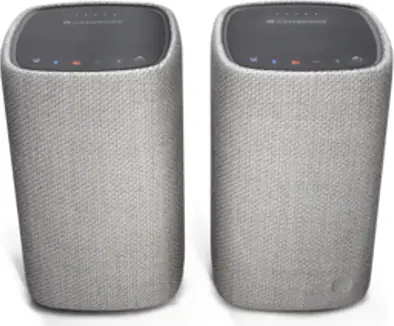
Audio Partnership Cambridge Audio Yoyo Portable Bluetooth Speakers
The lithium-ion batteries in the Cambridge Audio Yoyo (M) Portable Bluetooth Speaker can overheat, posing a fire hazard.
- Fire
- About 714 units
- 4 reports
- Refund
In My homeOpen My home
Product type
Recalls involving portable and Bluetooth speakers.
23 official CPSC notices published 1988–2026, covering at least 969,869 units.
Type the model number from your speaker's label. Every model number named in a speaker recall is listed below, grouped by notice.
26 model numbers
Yoto Mini speakers · 25-065 · 2024
Yoto Mini speakers · 24-190 · 2024
Grace Digital ECOXGEAR EcoBoulder Speakers · 20-027 · 2019
Yamaha In-Ceiling and In-Wall Speakers · 06-172 · 2006
Polk Audio LSiW Powered Subwoofer · 05-533 · 2005
Philips Electronics Speaker power adapters · 02-161 · 2002
Mitsubishi stereo speakers · 91-062 · 1991
Advertisements
The lithium-ion batteries in the Cambridge Audio Yoyo (M) Portable Bluetooth Speaker can overheat, posing a fire hazard.
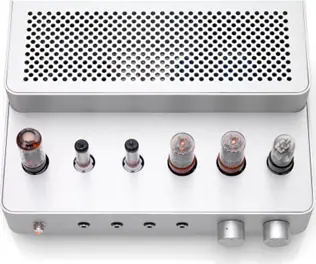
When the amplifiers are used with aftermarket metal base tubes, the bare metal can become electrified, posing a risk of serious injury or death from electrocution.
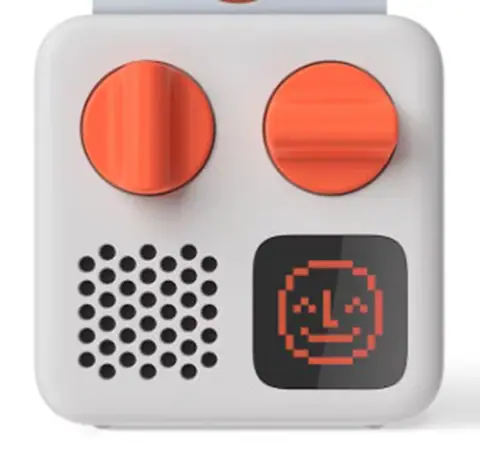
The speaker's lithium-ion battery can overheat and catch fire, posing burn and fire hazards to consumers.
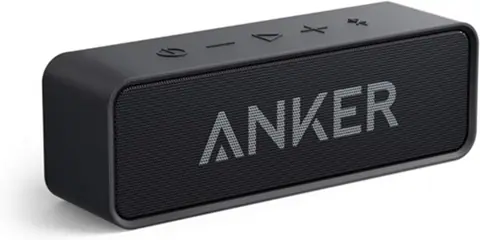
Anker Innovations
The lithium-ion batteries in the recalled A3102 Anker Soundcore (black) and A3302 PowerConf S3 Bluetooth Speakers can overheat, posing a fire hazard.
Advertisements
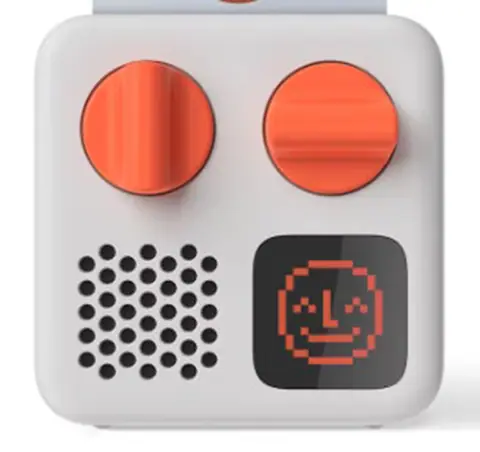
The speaker's lithium-ion battery can overheat and catch fire, posing burn and fire hazards to consumers.
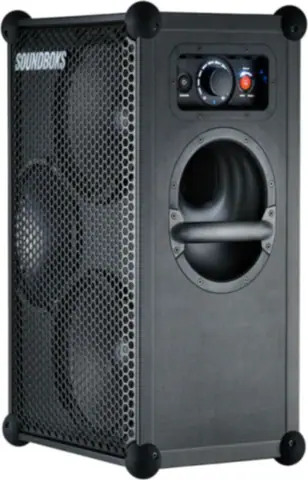
The lithium-ion battery can overheat, posing a fire hazard.
Advertisements
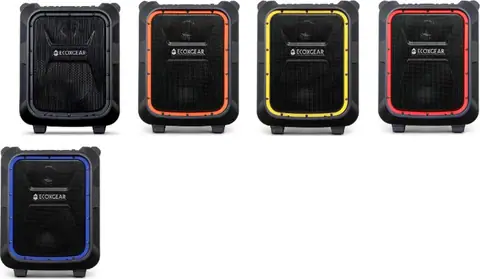
The speaker's battery can become overcharged and burst, posing an impact hazard.
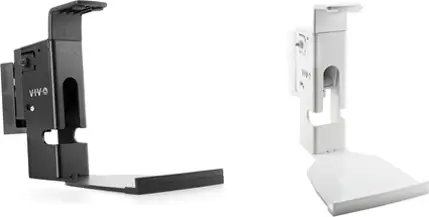
The ledge on the front of the speaker wall mount can loosen, allowing both the ledge and the speakers to fall, posing an injury hazard to bystanders
Advertisements
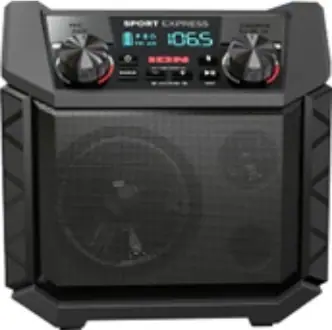
Shenzhen Fenda Technology Co., Ltd., China
Hydrogen gas can leak from the portable speaker battery when charging and the speaker can burst, posing an explosion hazard.
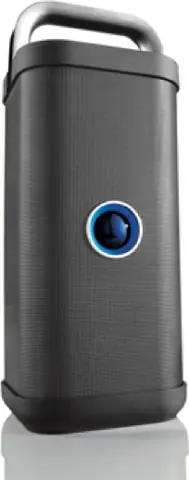
Plastoform Industries
The lithium ion batteries in the wireless speakers can overheat and catch fire, posing a fire hazard.
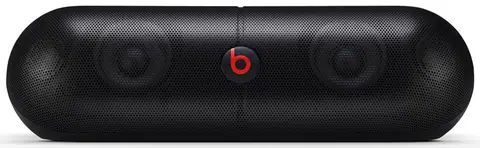
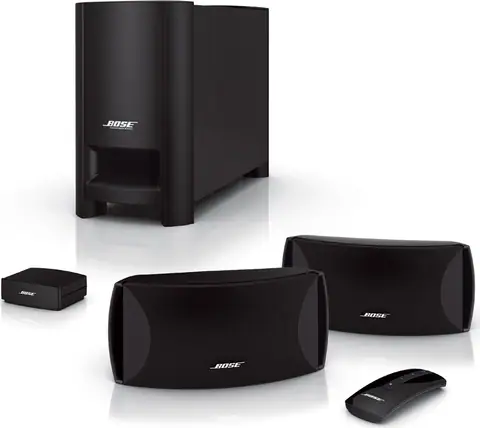
A component in the bass module can fail when used outside of the U.S. in electrical outlets rated at 220 volts or higher, presenting a fire hazard to consumers.
Totals add up the figures the notices state, counting a reannounced or restated recall once; 18 of 23 notices add a unit count. A notice that gives no number adds nothing.
Counted across all 23 notices on file as of October 31, 2026. Each line says how many notices it rests on.
Amazon (9), Best Buy (2), eBay (2), Target (2), and Ace Hardware (1) are the stores named most often in the 19 notices that say where speakers were sold. 12 of the 19 notices mention online sales.
The 19 notices that give a price range from $28 to $3,900. Half of them name a price of $180 or less.
By the 19 notices that give sale dates, half the products were on sale for 18 months or less; the longest for 8 years. Half the recalls came within 21 months of the first sale; the other half reached products that had been on sale longer.
A repair in 6 of the 12 notices that name a remedy, a replacement in 5, a refund in 4. Some notices offer more than one.
Fire is named in 13 of the 23 notices (57%), against 24% of all CPSC notices on file. Then burn (5), electric shock (4), fall (3), and impact (2).
16 of the 19 notices that describe incidents report at least one; 1 reports injuries. 3 said none had been reported when the recall was announced.
10 of the 23 notices list model numbers. They also name serial numbers in 7, date codes or manufacture dates in 2, UPC codes in 2. A matching model number is a reason to open the notice, not the last word.
Where the notices say the numbers are: “on the base of the product” (2 notices), “on the amp panel on the back of the subwoofer”, and “on the rear label of the speakers”.
China (15), United States (2), Indonesia (1) and Mexico (1), in the 19 notices that name a manufacturing country.
4 speaker notices in 2021–2025, the same as in 2016–2020. Across all CPSC notices on file, the count rose 16% over the same years.
Advertisements
Every notice, newest first. Unit counts are the U.S. figures each notice states.
As of October 31, 2026, CPSC has published 23 recall notices for speakers since 1988, covering at least 969,869 units. The most recent is “Audio Partnership Recalls Cambridge Audio Yoyo (M) Portable Bluetooth Speakers Due to Fire Hazard” (CPSC 26-731), announced September 3, 2026.
Yes. As of October 31, 2026, CPSC has published 2 recall notices for speakers in 2026, the most recent on September 3, 2026 (CPSC 26-731).
“Yoto Recalls Yoto Mini Speakers for Children Due to Burn and Fire Hazards” (CPSC 24-190), announced April 11, 2024: about 251,165 units.
Brands named most often: Polk Audio (2), Yoto (2), Anker Innovations, Apple, Best Buy, Lenovo and Lenovo (United States), plus 14 more brands. Brand-name products are often made by another firm, so one recall can span several brands.
Find the model number on the product's rating label, then type it into the model-number lookup on this page. A match means the number appears in an official CPSC notice; open that notice to confirm any date codes or serial ranges it lists. No match is not proof that a product is safe. 10 of the 23 notices here list model numbers. They also name serial numbers in 7 and date codes or manufacture dates in 2. The place they name most often is “on the base of the product”.
Follow the remedy in the official notice and contact the firm it names. Across speaker recalls, the remedies offered most often are repair (6), replacement (5) and refund (4).
Advertisements