
Arctic Cat 8000 and 9000 Series Snowmobiles
The recalled snowmobile's drive clutch can break, allowing fragments to escape the snowmobile shielding, posing a laceration hazard.
- Laceration
- About 16,200 units
- 200 reports
- Repair
In My homeOpen My home
Brand
39 official CPSC notices naming Arctic Cat, 1999–2024, across sports & outdoors, covering at least 398,226 units. The most recent: Arctic Cat 8000 and 9000 Series Snowmobiles, May 2, 2024.
Type the model number from your Arctic Cat product's label. Every model number named in a Arctic Cat recall is listed below, grouped by notice.
84 model numbers
Arctic Cat snowmobiles · 19-740 · 2019
Arctic Cat snowmobiles · 18-756 · 2018
Arctic Cat Snowmobiles · 17-724 · 2017
Arctic Cat Snowmobiles · 16-726 · 2016
Arctic Cat All-Terrain Vehicles · 15-009 · 2014
Arctic Cat snowmobiles · 14-708 · 2014
Arctic Cat Snowmobiles · 12-716 · 2012
Arctic Cat All-Terrain Vehicles · 12-704 · 2011
Model Year 2008 Arctic Cat 50cc and 90cc All-Terrain… · 08-588 · 2008
50CC90CCA2008KSA2BUSDA2008KSA2BUSEA2008KSA2BUST90-CALIFORNIA-BLACK/REDA2008KSB2BCAD90-CALIFORNIA-BLACK/LIMEA2008KSB2BCAE90-CALIFORNIA-PINKA2008KSB2BCATA2008KSB2BUSDA2008KSB2BUSEA2008KSB2BUSTA2008KUA2BUSGA2008KUA2BUSRA2008KUA2BUSTA2008KUB2BCAGA2008KUB2BCARA2008KUB2BCATA2008KUB2BUSGA2008KUB2BUSRA2008KUB2BUSTArctic Cat 90cc DVX and Utility · 07-523 · 2007
Arctic Cat Prowler XT Off-Highway Utility Vehicle · 06-553 · 2006
Arctic Cat Prowler XT Off-Highway Utility Vehicle · 05-603 · 2005
Arctic Cat FIS and TBX · 05-557 · 2005
Arctic Cat ATVs · 02-232 · 2002
Arctic Cat ATVs · 02-078 · 2002
Advertisements
Advertisements
39 notices where the recalled products are off-road recreational vehicles.
The recalled snowmobile's drive clutch can break, allowing fragments to escape the snowmobile shielding, posing a laceration hazard.
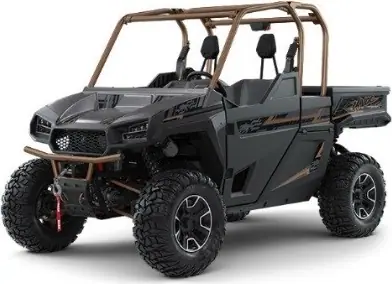
The upper front suspension arms can fail, posing a crash hazard.
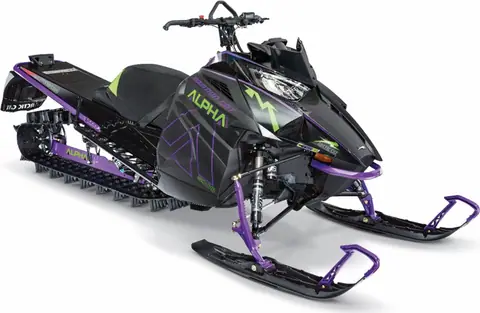
While operating the snowmobile the exhaust can flame from the muffler outlet, posing a fire hazard.
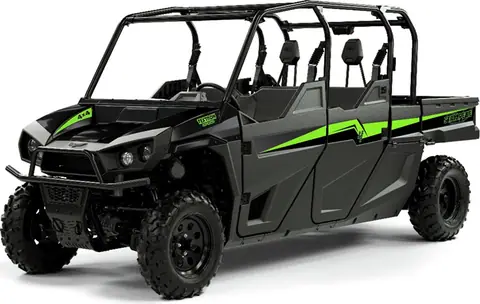
The lower front suspension arm can fail, posing a crash hazard.
Advertisements
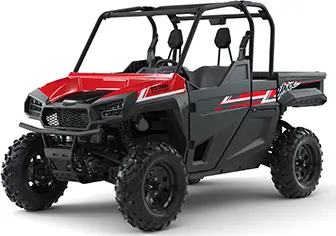
Fuel can leak from the fuel line, posing a fire hazard.
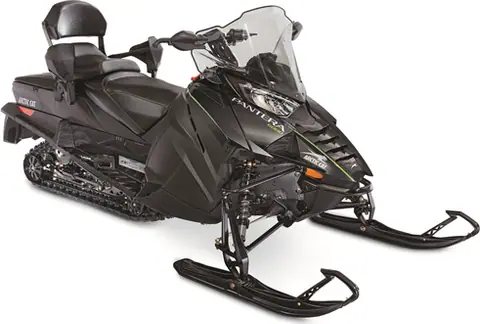
The handgrip can break, posing an injury hazard to the rider.
Advertisements
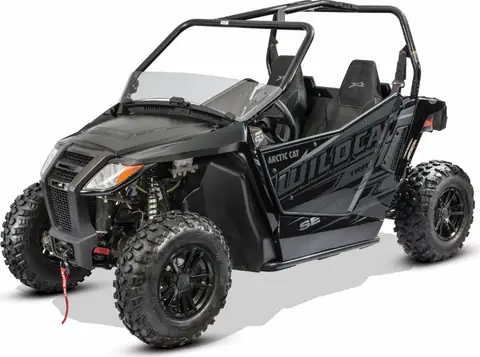
The winch solenoid located under the operator seat can overheat, posing a fire hazard.
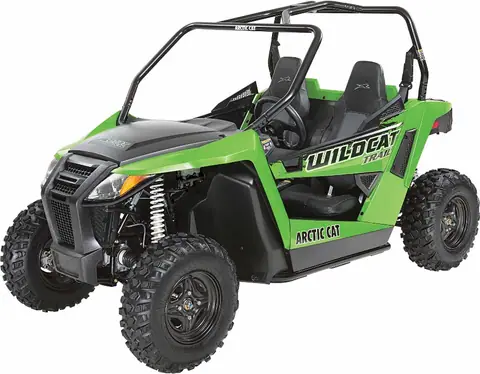
Heat from the exhaust can melt the plastic panels behind the operator and passenger seat, posing a fire hazard.
Advertisements
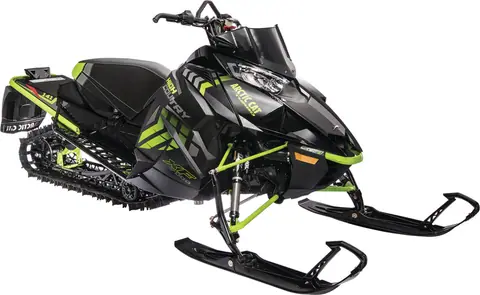
The snowmobile drive clutch can fracture and fragments can escape the snowmobile shielding, posing an impact hazard.
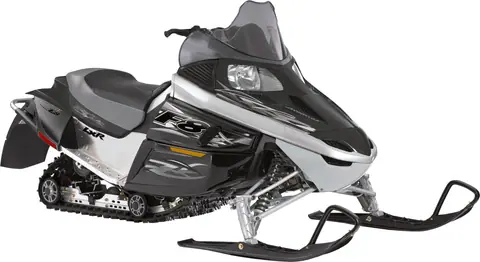
The fuel tank can crack and fuel can leak into the engine compartment, posing a fire hazard.
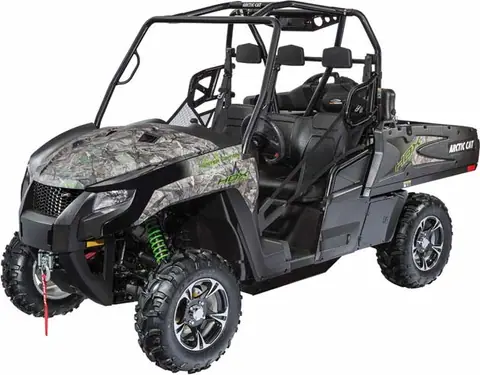
The throttle cable can stick and prevent the throttle mechanism from returning to an idle position upon release of the throttle and cause the rider to lose control, posing a crash hazard and risk of injury.
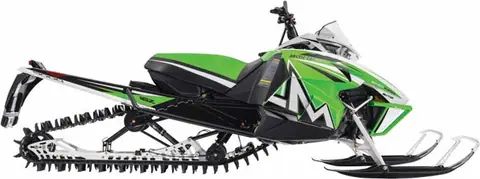
The brakes can fail, posing a risk of injury or death to the operator.
Advertisements
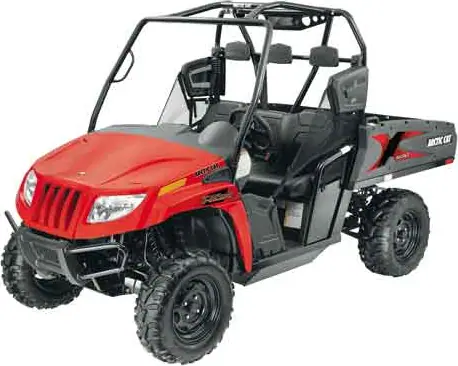
Fuel can leak from the fuel fitting at the throttle body, posing a fire hazard.
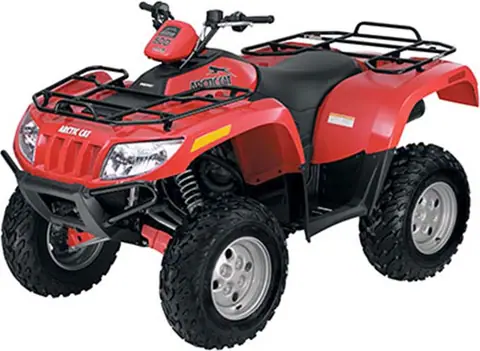
Components in the front gear case can fail, posing a risk of loss of control and crash hazard.
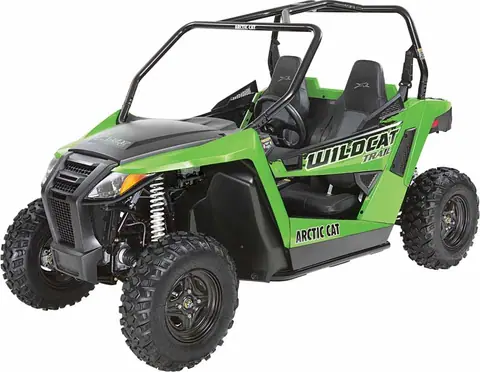
Oil can leak from the oil cooler lines, posing a fire hazard.
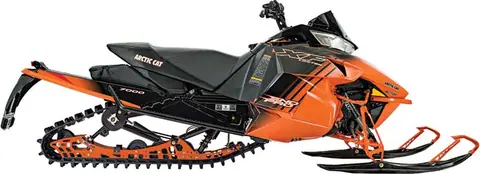
Fuel can leak from the fuel line assembly, posing a fire hazard.
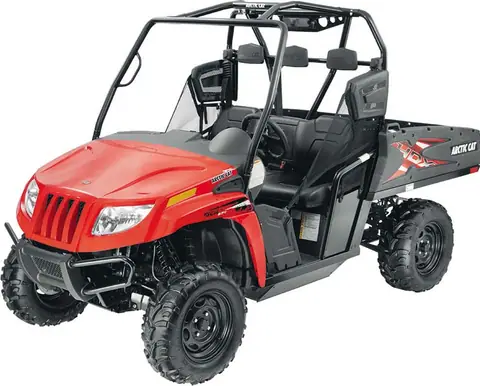
Fuel can leak from the fuel fitting at the throttle body of the vehicle, posing a fire hazard.
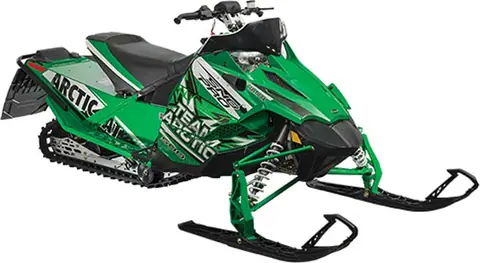
Fuel can leak from the fuel tank, posing a fire hazard.
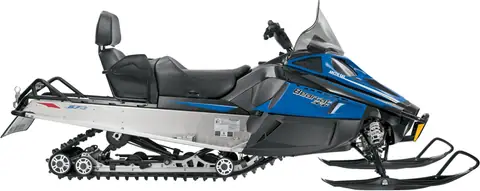
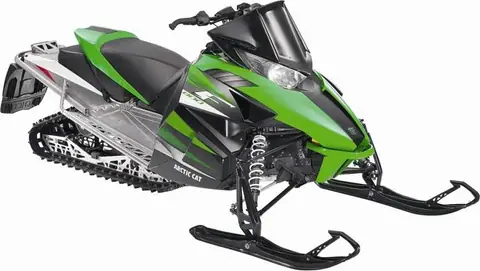
The lower steering tie-rod attachment can loosen and cause loss of steering control, posing a crash hazard.
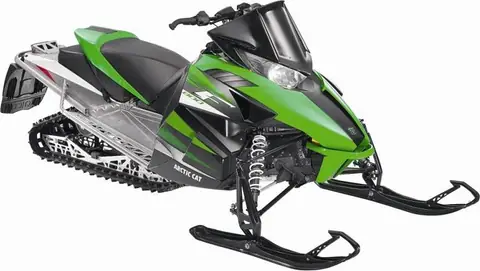
The headlamp fuse can fail, disorienting the operator during periods of limited visibility and posing a crash hazard.
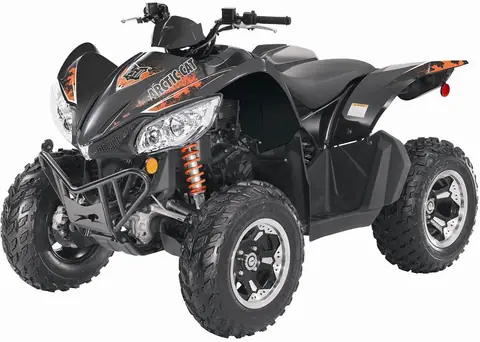
The ATV's steering tie-rod can bend, causing loss of control which poses a crash hazard.
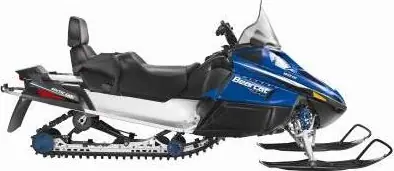
The front lower suspension arm can crack during use which could lead to loss of control, posing a risk of severe injury or death.
Fuel can leak from the fuel pump at the fuel tank mounting screws, posing a fire hazard to consumers.
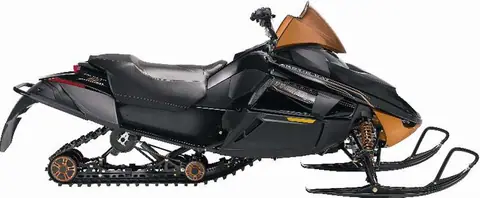
Oil can leak into the engine compartment, posing a fire hazard to consumers. In addition, the fuel tank can come into contact with the engine posing a possibility of wearing through and fuel leakage.
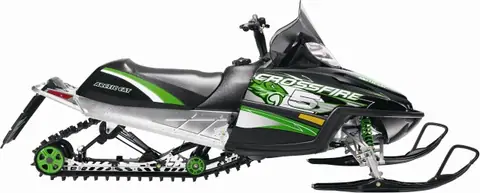
The mounting hardware securing the fuel pump can allow fuel to leak, posing a fire hazard to consumers.
The speed controller on the recalled ATVs could fail to return to the idle position when the throttle lever is released, or the speed controller could fail to be at idle on start up. This could result in loss of vehicle control, which could result in serious injury or death to the rider.
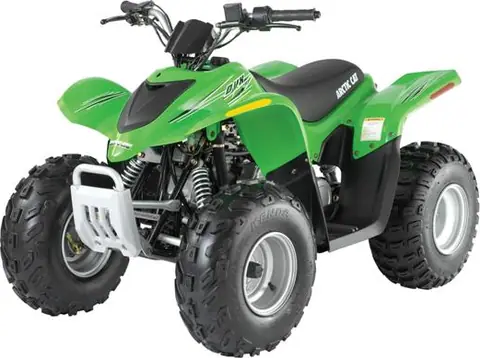
On the recalled ATVs, the handlebar base mounting bolts, tie-rod ends and tie-rod adjustment locking nuts may not have been tightened to the proper torque during the production process. Operating an affected ATV could cause components to loosen, resulting in loss of steering control. This condition could result in loss of vehicle control, which could result in injury or death.
The steering shaft used on certain 2002, 2003, 2004, 2005 and 2006 Arctic Cat snowmobiles can fail at the steering shaft/steering arm attachment. This could cause a loss of steering control of the vehicle, and result in injury or death.
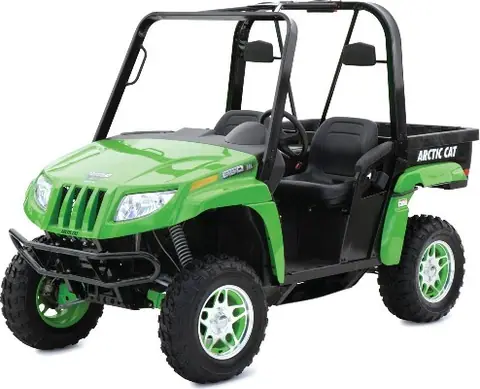
The rear brake caliper used on these units could leak brake fluid, resulting in reduced braking ability at the rear wheels. The front wheel brakes are unaffected by this condition.
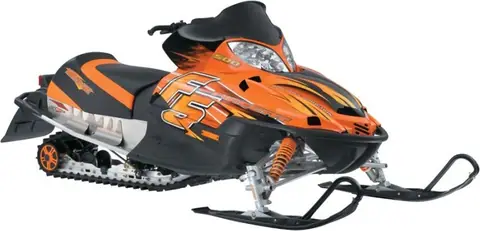
The recalled snowmobiles fuel tank could crack and leak, allowing fuel or fuel vapors to escape, posing a fire and burn hazard.
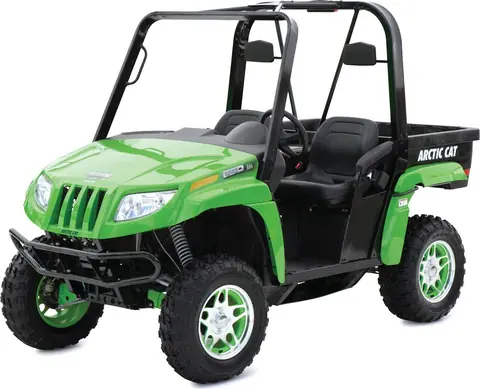
The brakes on these vehicles can fail.
The fuel tank used on some all-terrain vehicles could develop a fuel leak. If this occurs, a fire hazard, with the possibility of injury and property damage, could occur.
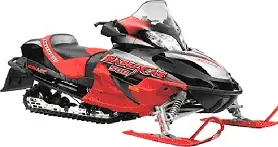
The red plastic skis used on certain 2004 Firecat and Sabercat snowmobiles could crack or break as a result of off-season exposure to ultraviolet sunlight. Ski failure could lead to loss of control, that could result in severe injury or death.
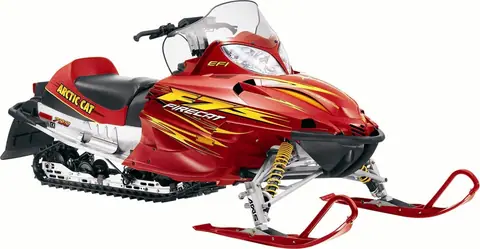
The red plastic skis used on these 2003 model year snowmobiles could be damaged by UV light exposure. If during off-season storage, the snowmobile was stored with the skis exposed to sunlight, damage may have occurred. If UV damage has occurred, the ski may crack or break during use. If this occurs, it could lead to a loss of control, that could result in severe injury or death.
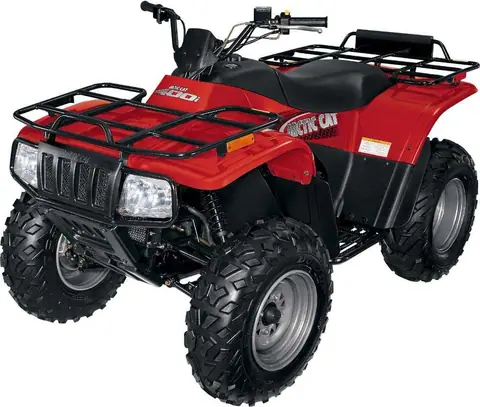
The ball joints on the front suspension of these ATVs can fail, resulting in a loss of control. This can cause the ATV to overturn, posing a risk of serious injury or death to riders.
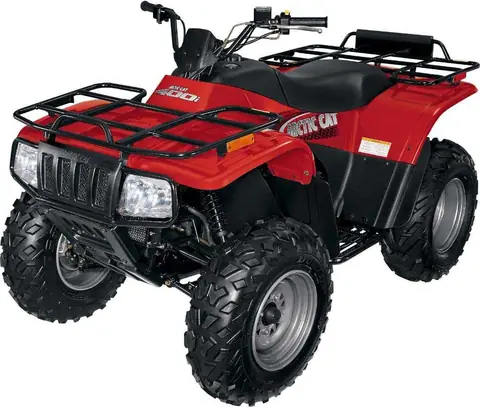
The pressure switch in the braking system leaks fluid. The unexpected loss of fluid can cause the brakes to fail, posing the risk of serious injury or death.
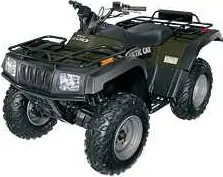
There may be an inadequate weld on the front upper A-arm bracket. If the upper A-arm bracket separates from the frame, the rider could lose control of the vehicle and be seriously injured.
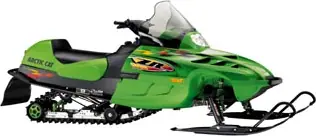
These snowmobiles could have faulty drive clutches due to the use of a contaminated alloy in manufacturing. If the clutch sheave fails, broken pieces could strike consumers, causing lacerations or bruises.
Advertisements
Totals add up the figures the notices state, counting a reannounced or restated recall once; 38 of 39 notices add a unit count. A notice that gives no number adds nothing.
Counted across all 39 notices on file as of November 20, 2026. Each line says how many notices it rests on.
The 39 notices that give a price range from $200 to $22,000. Half of them name a price of $9,000 or less.
By the 39 notices that give sale dates, half the products were on sale for 11 months or less; the longest for 10.5 years. Half the recalls came within 12 months of the first sale; the other half reached products that had been on sale longer.
A repair in all 24 notices that name a remedy.
Fire is named in 16 of the 39 notices (41%), against 24% of all CPSC notices on file. Then crash (7), burn (1), impact (1), and laceration (1).
28 of the 39 notices that describe incidents report at least one; 1 reports injuries. 11 said none had been reported when the recall was announced.
17 of the 39 notices list model numbers. They also name date codes or manufacture dates in 1. A matching model number is a reason to open the notice, not the last word.
Where the notices say the numbers are: “in the owner's manual” (2 notices).
United States (32) and Taiwan (3), in the 35 notices that name a manufacturing country.
1 Arctic Cat notice in 2021–2025, down from 11 in 2016–2020. Across all CPSC notices on file, the count rose 16% over the same years.
Advertisements
The recall contact each official notice gives, newest first. Contacts can change after a notice is published; the notice itself is the final word.
As of November 20, 2026, CPSC has published 39 recall notices naming Arctic Cat consumer products between 1999 and 2024, covering at least 398,226 units.
No. As of November 20, 2026, CPSC has published no recall notice naming Arctic Cat consumer products in 2026. The most recent was announced May 2, 2024 (CPSC 24-223).
Off-road recreational vehicles (39).
“Arctic Cat Inc. Recalls Snowmobiles Due to Loss of Steering Control Hazard” (CPSC 06-580), announced September 19, 2006: about 50,500 units.
Find the model number on the product's rating label, then type it into the model-number lookup on this page. A match means the number appears in an official CPSC notice; open that notice to confirm any date codes or serial ranges it lists. No match is not proof that a product is safe. 17 of the 39 notices here list model numbers. They also name date codes or manufacture dates in 1. The place they name most often is “in the owner's manual”.
Each notice names its own recall contact; the contacts for every Arctic Cat notice are listed on this page. For the most recent one, Arctic Cat 8000 and 9000 Series Snowmobiles (CPSC 24-223), call 800-279-2281, go to arcticcat.txtsv.com/owners/recalls and email arcticcatwarranty@textron.com.
Advertisements