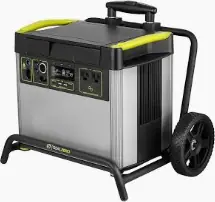
Goal Zero YETI 3000X Portable Power Stations
The recalled power station's circuit board can overheat, posing a risk of serious injury from fire and burn hazards.
- Fire
- Burn
- About 46,200 units
- 4 reports
- Repair
Recalls involving portable, standby, and battery-powered generators and power stations.
The recalled power station's circuit board can overheat, posing a risk of serious injury from fire and burn hazards.
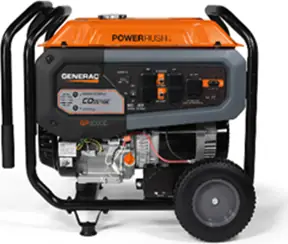
When first filling the recalled generator with gasoline, fuel can leak from the carburetor, posing a risk of serious injury or death from fire or burn hazard. Consumers with generators that have previously been filled with enough gasoline to move the gauge off "E," or have been used without any gasoline leakage, can continue to be used.
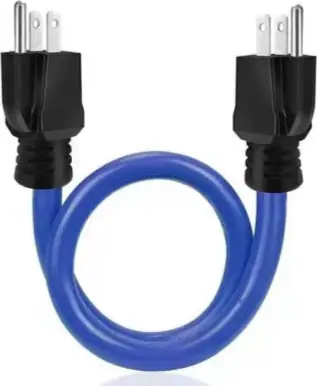
Shenzhen Shijingjie Network Technology
The recalled male-to-male extension cords violate safety requirements because their exposed prongs can become energized when one end is plugged into a generator or other power source, posing a risk of serious injury and death from electrocution. In addition, using the cords to supply power from a generator to a residential electrical system (backfeeding) poses a risk of electrocution and fire. The cords' short length encourages the use of generators close to homes or enclosed spaces, posing a risk of carbon monoxide (CO) poisoning.
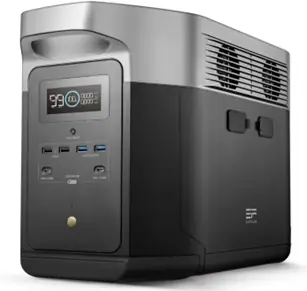
The Power Stations may overheat and ignite, posing a risk of serious burn injury and fire hazard.
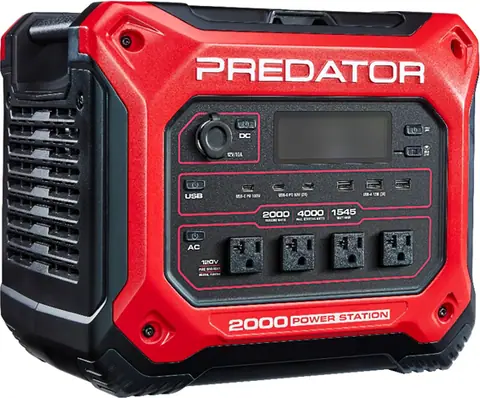
The wires in the power station's AC outlet receptacles are reversed when the product is in Emergency Power Supply ("EPS") mode, posing a shock hazard to consumers operating the power station.
The lithium-ion batteries in the HALO 1000 Portable Power Station can overheat, posing fire and burn hazards that can lead to serious injury or death.
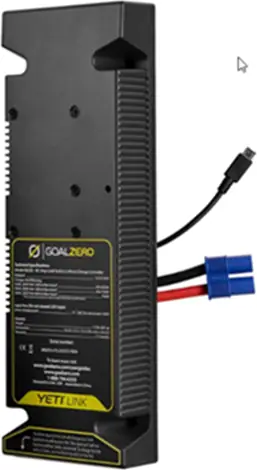
The connection between the Yeti Link Expansion modules and the cables can overheat and melt, posing fire and burn hazards.
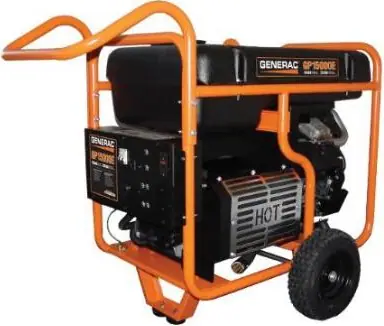
The recalled generators' fuel tank can fail to vent adequately from the rollover valve, causing the gas tank to build up excess pressure and expel fuel when opened, posing fire and burn hazards.
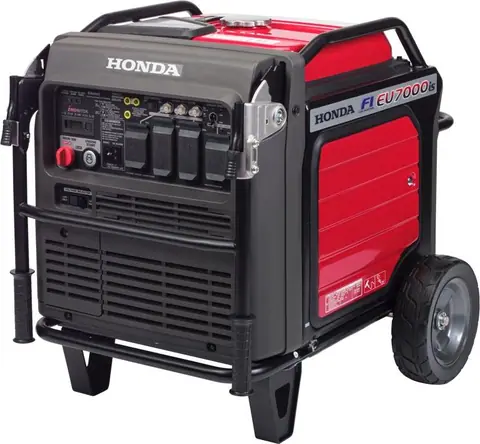
The fuel filler cap can improperly seal, resulting in fuel and/or fuel vapor leaking, posing a fire hazard.
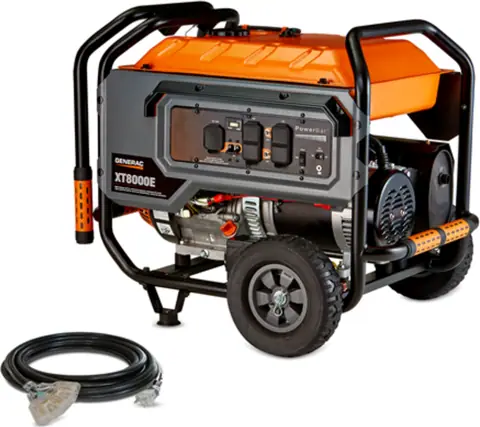
An unlocked handle can pinch consumers' fingers against the generator frame when the generator is moved, posing finger amputation and crushing hazards.
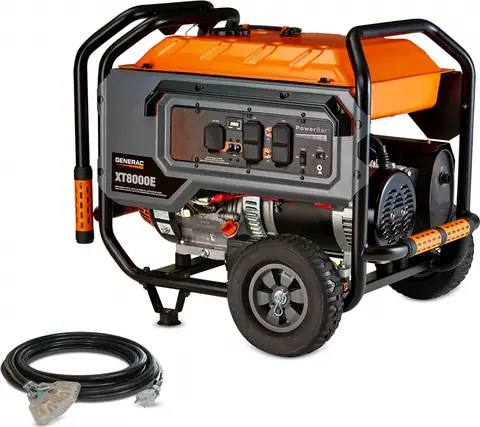
Generac and DR
An unlocked handle can pinch consumers' fingers against the generator frame when the generator is moved, posing finger amputation and crushing hazards.
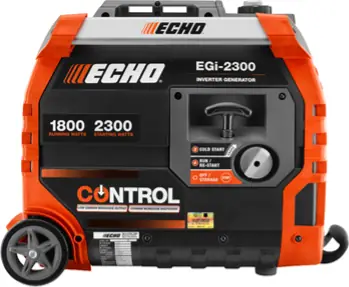
Techtronic Industries (Dongguan)
The unit can overheat, posing fire and burn hazards to consumers.
As of October 1, 2026, CPSC has published 55 recall notices in the Generators category since 1989, covering at least 2.2 million units. The most recent is “Goal Zero Recalls YETI 3000X Power Stations Due to Serious Risk of Injury from Fire and Burn Hazards” (CPSC 26-712), announced August 20, 2026.
Yes. As of October 1, 2026, CPSC has published 3 recall notices in the Generators category in 2026, the most recent on August 20, 2026 (CPSC 26-712).
By number of notices: generators (41), power stations (5), extension cords (1) and grills (1).
By number of notices: American Honda (6), Generac Power Systems (5), Generac (4), Goal Zero (4), Honda (4) and Kohler (3). Brand-name products are often made by another firm, so one recall can span several brands.
“American Honda Recall of Portable Generators Due to Fire and Burn Hazards” (CPSC 20-090), announced March 17, 2020: about 340,000 units.
Find the model number on the product's rating label and enter it in the site search. An exact match names the official CPSC notice that lists that number; open it to confirm any date codes or serial ranges it lists. No match is not proof that a product is safe.
Follow the remedy in the official notice and contact the firm it names. Across generator recalls, the remedies offered most often are repair (28), replacement (10) and refund (5).