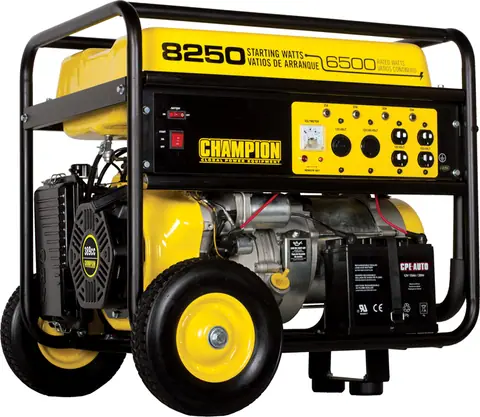
Champion Power Equipment Portable generators
Fuel can leak from the generator's carburetor, posing a fire hazard.
- Fire
- About 8,600 units
- 11 reports
- Refund or Repair
Recalls involving portable, standby, and battery-powered generators and power stations.
Fuel can leak from the generator's carburetor, posing a fire hazard.
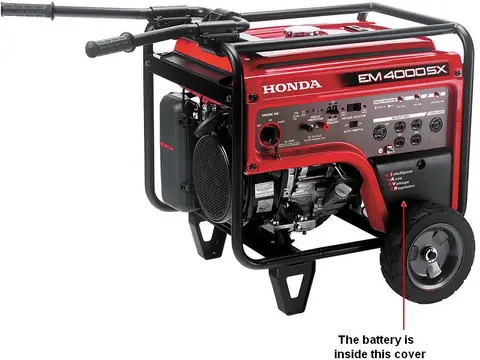
The hazard labels attached to the batteries used on the generators are printed in Japanese instead of English. As a result, consumers handling the battery may not be able to adequately avoid risks associated with the batteries.
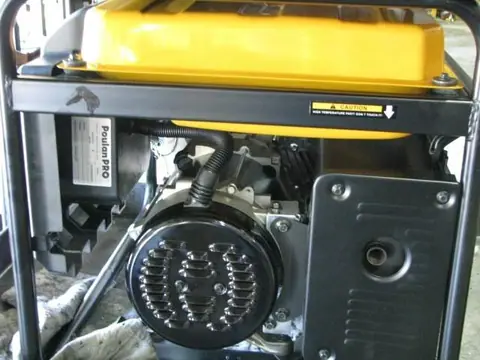
The carburetor can fail allowing gasoline to leak, posing a fire hazard to consumers.
Loncin Industries
Fuel can leak through the carburetor during normal usage, posing a fire hazard to consumers.

Carolina Biological Supply
The yellow lids in the kits contain excessive levels of lead. Lead is toxic if ingested by young children and can cause adverse health effects.
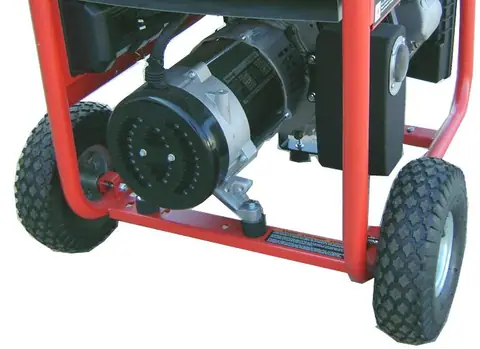
Homelite Consumer Products
The fuel gauge can leak excessive amounts of gasoline, posing a fire hazard to consumers.
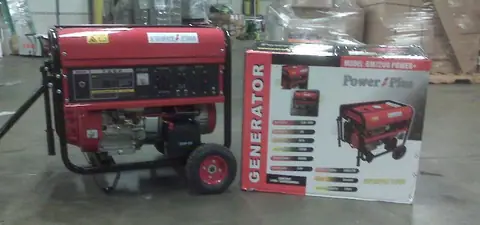
The 220-volt receptacle can fail to produce power correctly and cause power surges that can damage appliances. This poses a risk of fire and possible injury to consumers.
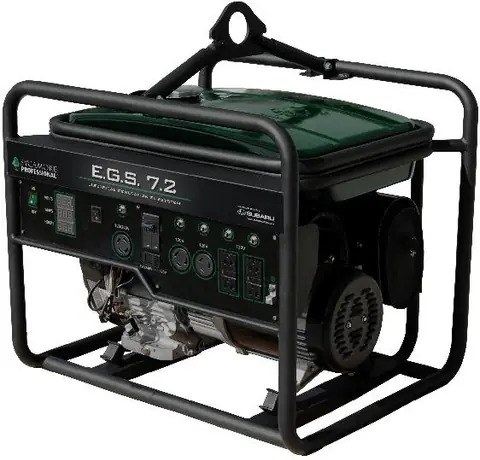
A plastic sediment cup attached to the bottom of the fuel valve can crack during shipping and handling and cause fuel leakage or spillage, posing a fire hazard to consumers.
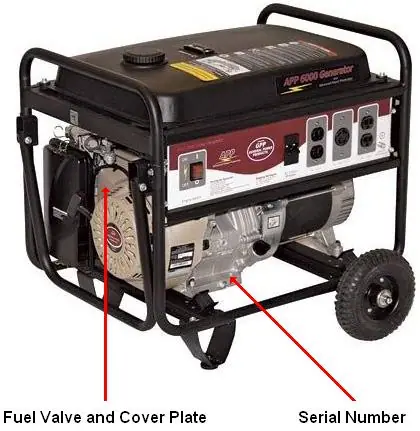
The generator's fuel valve can be damaged by the cover plate during shipment and cause a fuel leak and fuel spillage during use, posing a fire hazard to consumers.
The generator's fuel shut-off valve can fail to close, resulting in a gas leak from the unit. This poses a risk of fire and burn injuries to consumers.
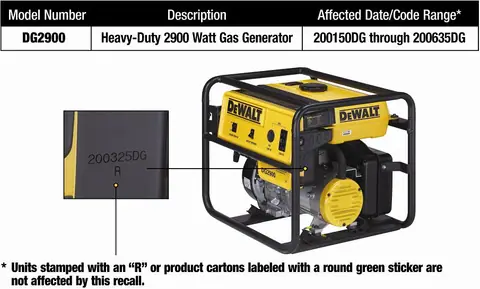
A ground fault circuit interrupter (GFCI) installed on the generator could fail to operate properly, posing a risk of electric shock to consumers.
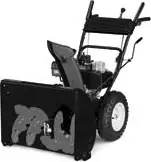
The fuel line on these engines can become loose or disconnected, resulting in a fuel leak. This can pose a fire hazard to consumers.