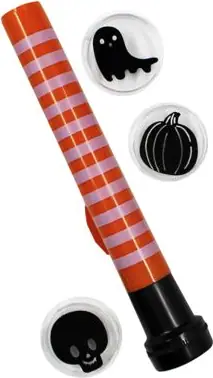
Halloween Projector Flashlights
NPW Group
The flashlights can overheat and melt the outer casing, posing fire and burn hazards.
- Fire
- Burn
- About 4,700 units
- 9 reports
- Refund
In My homeOpen My home
Product type
Recalls involving handheld, rechargeable, and children's flashlights and flashlight batteries.
30 official CPSC notices published 1995–2024, covering at least 3 million units.
Type the model number from your flashlight's label. Every model number named in a flashlight recall is listed below, grouped by notice.
12 model numbers
Intellio Toys Bright Builder Fort Kits · 24-363 · 2024
HALO Branded Solutions Projector Flashlights · 22-024 · 2021
Rayovac flashlights · 14-087 · 2014
Eveready Battery Kidz Club Flashlights · 03-034 · 2002
Safety 1st Bed Rail and Flashlight · 96-022 · 1995
Advertisements
NPW Group
The flashlights can overheat and melt the outer casing, posing fire and burn hazards.
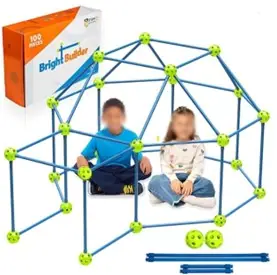
The flashlight on the recalled kits violates the mandatory federal battery-operated toy regulation because the flashlights contain button cell batteries in a compartment that can be easily opened without requiring the use of a common household tool. When button cell batteries are swallowed, the ingested batteries can cause serious injuries, internal chemical burns, and death, posing an ingestion hazard.
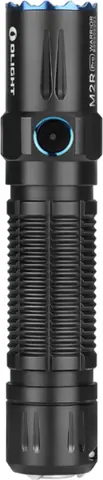
Olight Ecommerce Technology
The flashlights can be turned on inadvertently and overheat while stored in the holster or a consumer's pocket, posing a burn hazard to consumers.
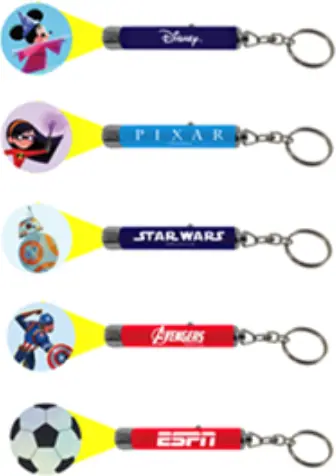
A child can disassemble the projector flashlight and access the button cell batteries, posing ingestion and choking hazards.
Advertisements
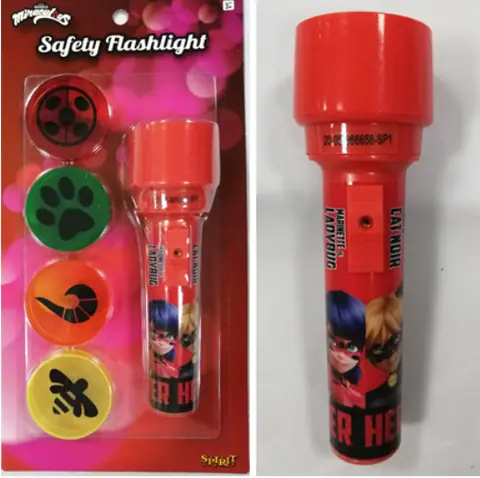
The batteries in the flashlight can overheat, posing burn and fire hazards.
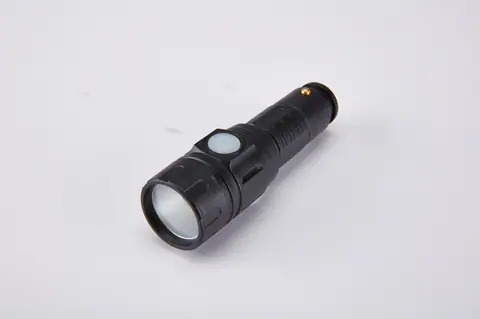
The flashlight can overheat while charging, posing a burn hazard to consumers.
Advertisements
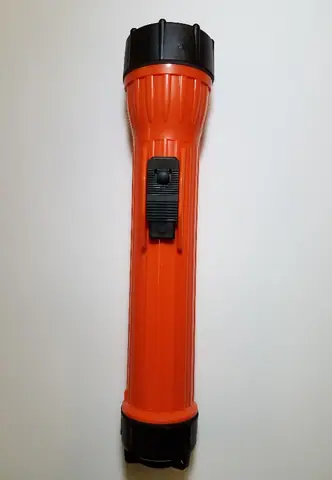
The flashlights are missing an encapsulation on a circuit board component which protects the flashlight from igniting an explosive environment, posing an injury hazard to the user or bystander.
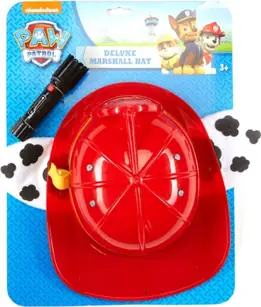
The batteries in the flashlight can overheat, causing the flashlight to become hot, posing burn and fire hazards.
Advertisements
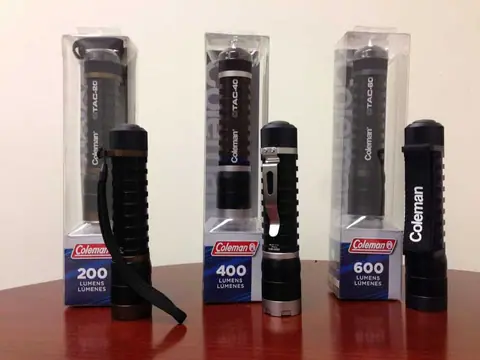
The lithium-ion batteries can overheat, posing a fire hazard to consumers.
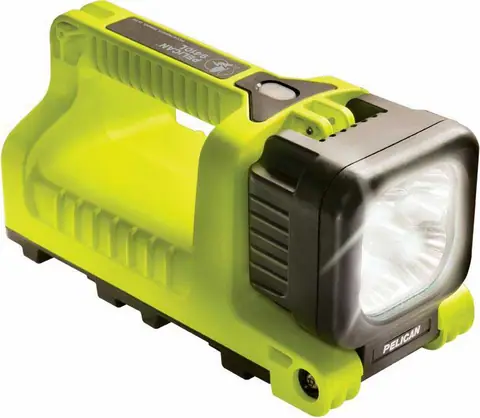
Pelican Products
The battery packs in the flashlights can overheat, posing a fire hazard to consumers.
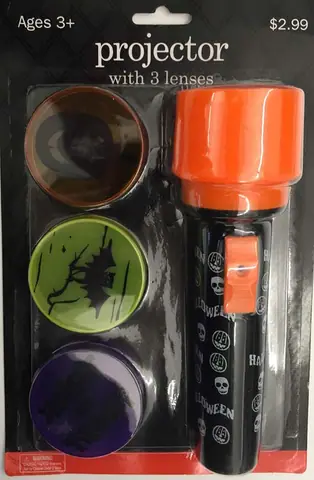
The flashlight can overheat and melt the plastic handle, posing a burn risk to the user.
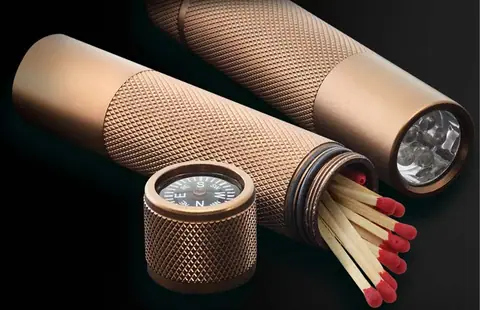
Altria Group Distribution
Matches inside the match holder can ignite when in contact with the striker pad beneath the compass cap, posing burn and injury hazards to consumers.
Totals add up the figures the notices state, counting a reannounced or restated recall once; 28 of 30 notices add a unit count. A notice that gives no number adds nothing.
Counted across all 30 notices on file as of October 31, 2026. Each line says how many notices it rests on.
Amazon (6), Target (4), BJ's Wholesale Club (2), Meijer (2), and Ace Hardware (1) are the stores named most often in the 28 notices that say where flashlights were sold. 10 of the 28 notices mention online sales.
The 25 notices that give a price range from $1 to $280. Half of them name a price of $8 or less.
By the 27 notices that give sale dates, half the products were on sale for 6 months or less; the longest for 4 years. Half the recalls came within 7 months of the first sale; the other half reached products that had been on sale longer.
A refund in 15 of the 19 notices that name a remedy, a replacement in 5. Some notices offer more than one.
Fire is named in 22 of the 30 notices (73%), against 24% of all CPSC notices on file. Then burn (20), ingestion (3), choking (2), and explosion (1).
26 of the 28 notices that describe incidents report at least one; 2 report injuries. 2 said none had been reported when the recall was announced.
6 of the 30 notices list model numbers. They also name date codes or manufacture dates in 5, UPC codes in 4. A matching model number is a reason to open the notice, not the last word.
Where the notices say the numbers are: “on a label on the battery's shrink wrap”, “on a white sticker inside the flashlight's tube”, and “on the bottom right corner of the back of the box”.
China (25), Taiwan (2), United States (2) and Indonesia (1), in the 29 notices that name a manufacturing country.
4 flashlight notices in 2021–2025, down from 6 in 2016–2020. Across all CPSC notices on file, the count rose 16% over the same years.
Advertisements
Every notice, newest first. Unit counts are the U.S. figures each notice states.
As of October 31, 2026, CPSC has published 30 recall notices for flashlights since 1995, covering at least 3 million units. The most recent is “NPW Group Recalls Halloween Projector Flashlights Due to Fire and Burn Hazards; Sold Exclusively at Target” (CPSC 25-010), announced October 10, 2024.
No. As of October 31, 2026, CPSC has published no recall notice for flashlights in 2026. The most recent was announced October 10, 2024 (CPSC 25-010).
“Halloween Flashlights Sold Exclusively at Target Recalled Due to Burn Hazard” (CPSC 10-026), announced October 28, 2009: about 610,000 units.
Brands named most often: Spirit Halloween (2), Target (2), Browning, Coleman, Dollar Tree, Eveready Battery, General Mills and Greenbrier International, plus 22 more brands. Brand-name products are often made by another firm, so one recall can span several brands.
Find the model number on the product's rating label, then type it into the model-number lookup on this page. A match means the number appears in an official CPSC notice; open that notice to confirm any date codes or serial ranges it lists. No match is not proof that a product is safe. 6 of the 30 notices here list model numbers. They also name date codes or manufacture dates in 5.
Follow the remedy in the official notice and contact the firm it names. Across flashlight recalls, the remedies offered most often are refund (15) and replacement (5).
Advertisements