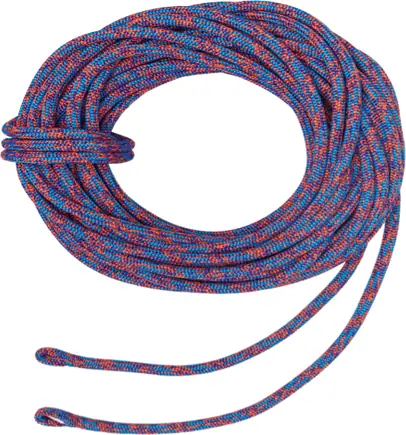
Courant Spliced Kalimba Climbing Ropes
The spliced termination ends on the recalled ropes can fail unexpectedly, posing a risk of serious injury or death from fall hazard.
- Fall
- About 1,050 units
- 3 reports
- Replacement
In My homeOpen My home
Product type
CPSC recalls involving carabiners, climbing harnesses, ropes, belay devices, crampons, and ice axes.
39 official CPSC notices published 1998–2026, covering at least 1.6 million units.
Type the model number from your climbing equipment's label. Every model number named in a climbing equipment recall is listed below, grouped by notice.
23 model numbers
Advertisements
The spliced termination ends on the recalled ropes can fail unexpectedly, posing a risk of serious injury or death from fall hazard.
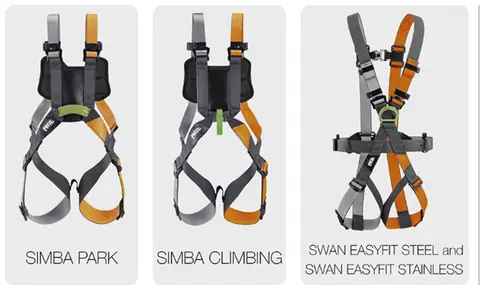
Petzl America, Inc., Salt Lake City, Utah
The recalled harnesses are missing rivets in the FAST LT PIN-LOCK buckles, causing the buckles to open, posing a risk of serious injury or death from a fall hazard.
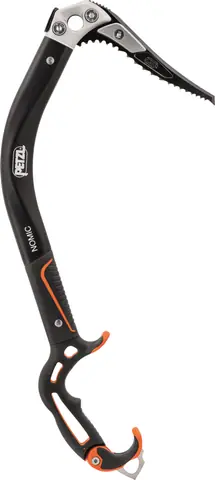
The ice axe shaft can break at the handle during use, posing a fall hazard, which can result in serious injury or death.
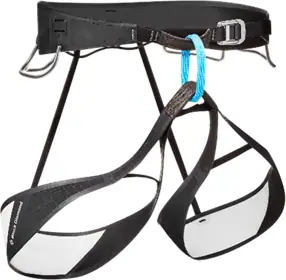
The recalled BD Vision harnesses can degrade over time and fail to support the climber, posing a fall hazard resulting in serious injury or death.
Advertisements
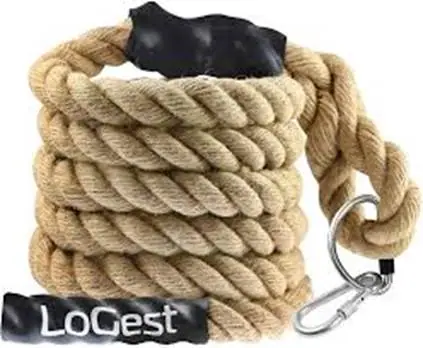
The climbing ropes can weaken and break, posing a fall hazard to consumers.
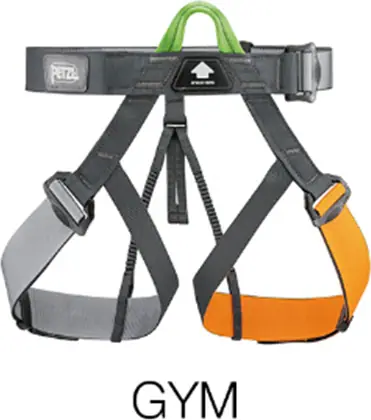
Petzl America
The recalled harness can be put on backwards and the rope or carabiner can be attached to a non-weight-bearing leg loop elastic band, placing the user at risk of falling from height and sustaining serious injury, including paraplegia or death.
Advertisements
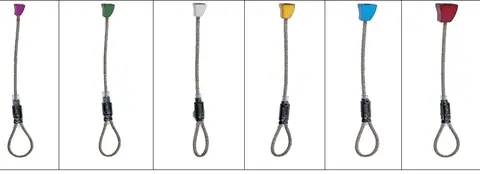
When exposed to seaside conditions, corrosion can occur and weaken the cable chocks and they can break, posing a fall hazard to climbers.
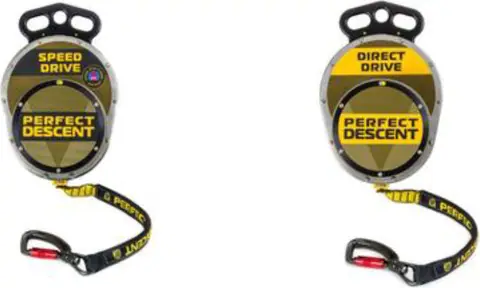
C3 Manufacturing
The belay climbing device can loosen and can cause slack on the rope, allowing the climber to fall. Climbing while tethered to a malfunctioning belay can cause serious injury or death.
Advertisements
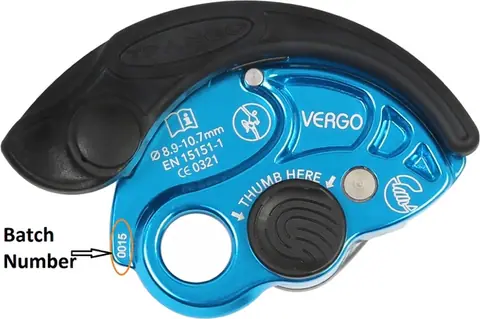
Great Trango Holdings Inc. (GTHI)
The handle on the Vergo belay device can loosen and cause the device's assisted braking capacity to malfunction, posing fall and injury hazards to climbers.
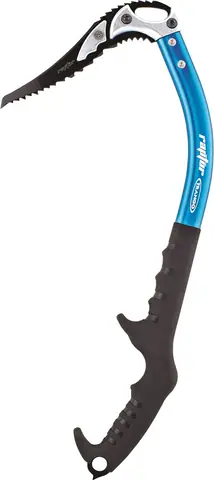
Great Trango Holdings, Inc. (GTHI)
The head of the ice tool can detach from the shaft, posing a fall hazard to climbers.
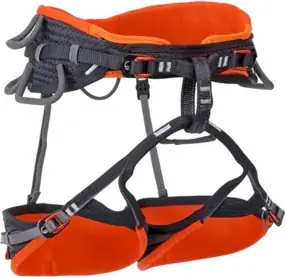
Excess materials on the left waist belt tab can cause the harness to loosen, posing a fall hazard to the user.
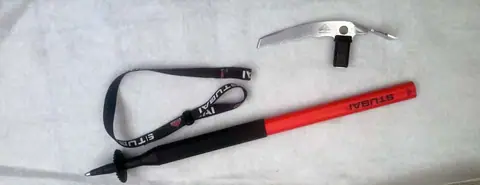
The knife in the axe handle can detach, posing a laceration or impact hazard to the user or bystanders.
Totals add up the figures the notices state, counting a reannounced or restated recall once; 37 of 39 notices add a unit count. A notice that gives no number adds nothing.
Counted across all 39 notices on file as of October 31, 2026. Each line says how many notices it rests on.
REI (7) and Amazon (3) are the stores named most often in the 38 notices that say where climbing equipment were sold. 22 of the 38 notices mention online sales.
The 38 notices that give a price range from $3 to $2,100. Half of them name a price of $97.50 or less.
By the 35 notices that give sale dates, half the products were on sale for 17 months or less; the longest for 9.5 years. Half the recalls came within 18 months of the first sale; the other half reached products that had been on sale longer.
A replacement in 16 of the 27 notices that name a remedy, a refund in 7, a repair in 6. Some notices offer more than one.
Fall is named in 32 of the 39 notices (82%), against 17% of all CPSC notices on file. Then laceration (2) and impact (1).
20 of the 38 notices that describe incidents report at least one; 1 reports injuries. 18 said none had been reported when the recall was announced.
5 of the 39 notices list model numbers. They also name serial numbers in 5, date codes or manufacture dates in 9, UPC codes in 2, lot or batch numbers in 8. A matching model number is a reason to open the notice, not the last word.
Where the notices say the numbers are: “on a label inside the harnesses”, “on a label on the upper portion of the shaft”, and “on the barcode label attached to the care, use and retirement document”.
United States (14), China (5), France (5), Italy (3) and Philippines (2), in the 38 notices that name a manufacturing country.
4 climbing equipment notices in 2021–2025, down from 10 in 2016–2020. Across all CPSC notices on file, the count rose 16% over the same years.
Advertisements
Every notice, newest first. Unit counts are the U.S. figures each notice states.
As of October 31, 2026, CPSC has published 39 recall notices for climbing equipment since 1998, covering at least 1.6 million units. The most recent is “Wichard Groupe North America Recalls Courant Spliced Kalimba Climbing Ropes Due to Risk of Serious Injury or Death from Fall Hazard” (CPSC 26-675), announced August 6, 2026.
Yes. As of October 31, 2026, CPSC has published 3 recall notices for climbing equipment in 2026, the most recent on August 6, 2026 (CPSC 26-675).
“Black Diamond Recalls to Inspect Carabiners Due to Fall Hazard” (CPSC 16-130), announced March 30, 2016: about 1.2 million units.
Brands named most often: Black Diamond Equipment (7), Petzl America (6), Black Diamond (5), CAMP (3), Liberty Mountain (3), Great Trango Holdings Inc. (GTHI) (2), GTHI (2) and Mammut Sports Group, plus 19 more brands. Brand-name products are often made by another firm, so one recall can span several brands.
Find the model number on the product's rating label, then type it into the model-number lookup on this page. A match means the number appears in an official CPSC notice; open that notice to confirm any date codes or serial ranges it lists. No match is not proof that a product is safe. 5 of the 39 notices here list model numbers. They also name serial numbers in 5, date codes or manufacture dates in 9 and lot or batch numbers in 8.
Follow the remedy in the official notice and contact the firm it names. Across climbing equipment recalls, the remedies offered most often are replacement (16), refund (7) and repair (6).
Advertisements