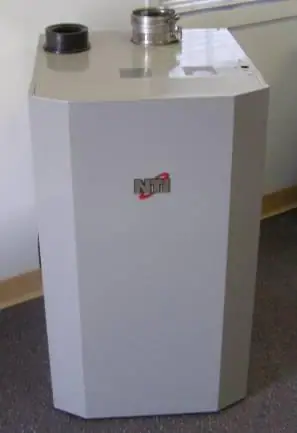
NTI Trinity Gas-Fired Hot Water Boilers
Acidic liquid in a drain line can cause a fitting in the boiler to leak, posing a risk of carbon monoxide (CO) poisoning to consumers.
- Carbon monoxide
- Poisoning
- About 4,800 units
- Incidents reported
Recalls involving residential heating and cooling equipment, air conditioners, heat pumps, furnaces, boilers, and water heaters.
Acidic liquid in a drain line can cause a fitting in the boiler to leak, posing a risk of carbon monoxide (CO) poisoning to consumers.
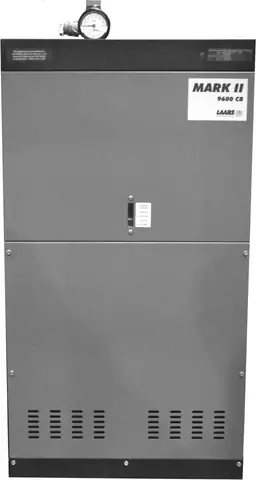
Internal black plastic venting components in the gas boilers and water heaters can crack and leak flue gases, including carbon monoxide (CO), posing a risk of CO poisoning.
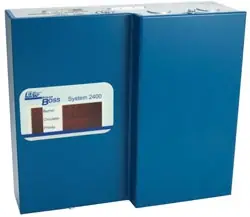
These boiler controls can fail, causing water temperature to rise to the high temperature limit. Should the high temperature thermostat or external safety limit devices also fail, consumers could suffer scalds from unexpectedly hot water during use or system piping damage can result.
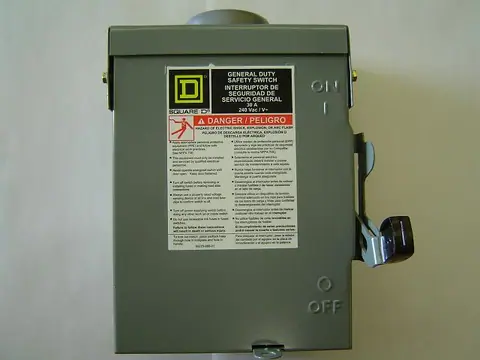
The safety switch can continue to supply electricity even after being placed in the "OFF" position. This poses the risk of an electric shock or electrocution hazard to consumers.
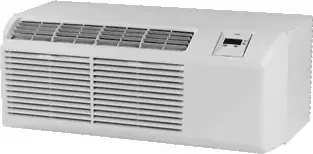
The heating element on these commercially installed units can become displaced and, if it contacts metal, could short circuit. If the electric heater on one of those units short-circuits, wiring problems on 265-volt models could allow the unit to remain energized while the unit's fan is turned off, causing it to overheat and smoke.
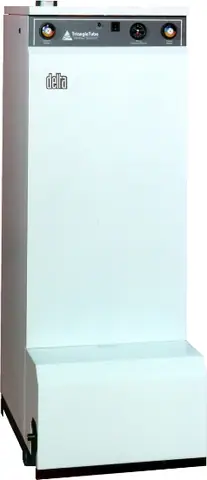
The burner plate and flue hood seal on the water heaters can fail due to an improper seal causing a leak of flue gases and carbon monoxide (CO). This poses the risk of CO poisoning to consumers inside of the house.
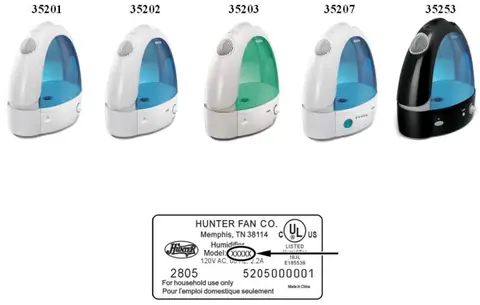
Water from the humidifier can leak into the unit's electrical compartment, posing a fire hazard.
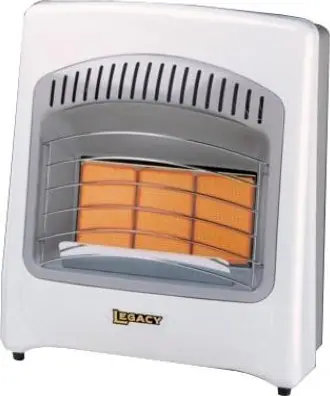
Carbon monoxide hazard. A non-specification gasket around the heating plaques could allow heater carbon monoxide emissions to leak into the area in which the heater is being used.
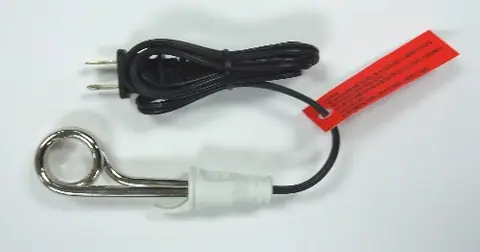
Moisture in the heating element could cause corrosion over time, presenting a shock hazard.
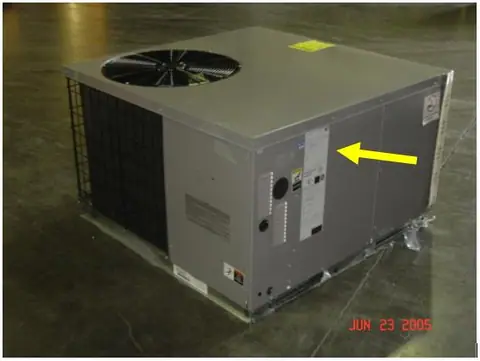
International Comfort Products
The unit's control board can ignite and, in certain units, can result in the ignition of flammable material adjacent to the unit.
The water heaters can accumulate soot on the burners, posing a fire hazard.
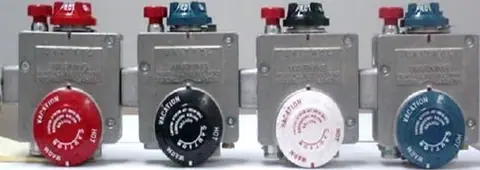
Robertshaw Controls
Screws on some water heater valves could break. If this happens, gas could leak from the valve, which poses a risk of gas explosion and fire.