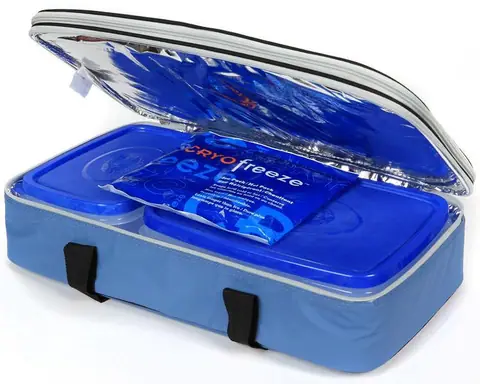
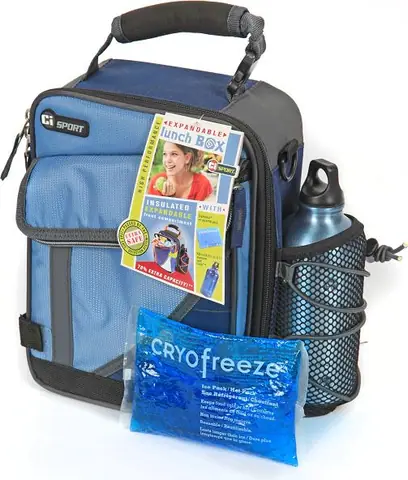
Gel that contains diethylene glycol and ethylene glycol can leak out of damaged freezer gel packs, posing a poisoning hazard if ingested by children or adults.
Gel that contains diethylene glycol and ethylene glycol can leak out of damaged freezer gel packs, posing a poisoning hazard if ingested by children or adults.
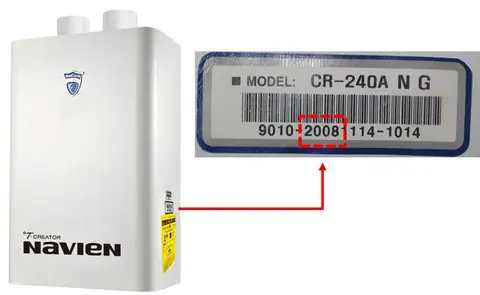
An unstable connection can cause the water heater's vent collar to separate or detach if pressure is applied. A detached vent collar poses a risk of carbon monoxide poisoning to the consumer.
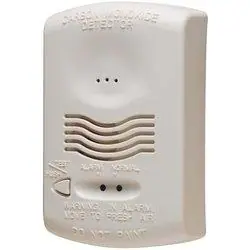
When the CO detectors reach the end of their useful life, they should send a signal to make a sound in the home alarm panel alerting consumers it is time to replace them and a signal to ADT's alarm monitoring center. Some of the detectors were not wired properly to the ADT alarm system, resulting in the sound not going off in the home alarm panel and no signal to the ADT alarm monitoring center at the end of its useful life. Not replacing a CO detector at the end its useful life poses a CO poisoning hazard to consumers.
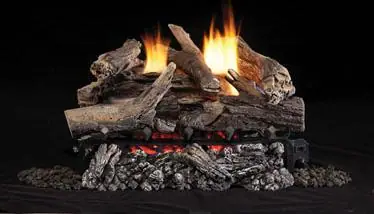
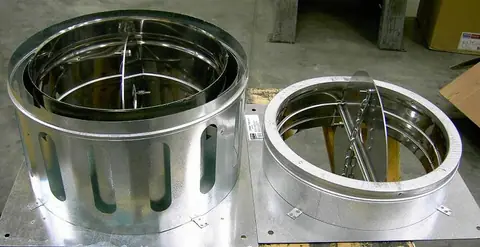
When the consumer attempts to open/close the damper, it can become stuck in its current position. In addition, some of the dampers were assembled backwards and are set to the closed position when the consumer attempts to open the damper. Both pose risk of carbon monoxide poisoning to the consumer.
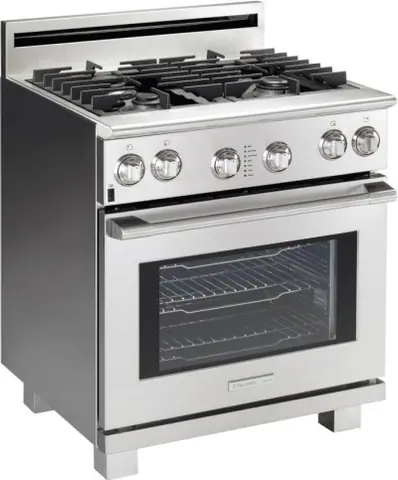
An incorrect part allows more fuel to pass to the range's oven than can be burned efficiently, causing incomplete combustion and the release of carbon monoxide. This poses a risk of carbon monoxide poisoning to consumers.
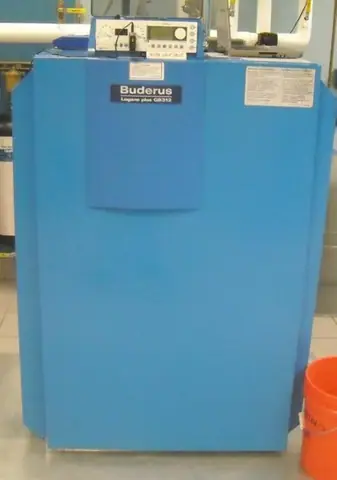
A problem with the boiler's ignition due to insufficient output voltage from the boiler's transformer can damage the boiler's venting. This can result in leaking flue gases, posing a risk of carbon monoxide poisoning to consumers.
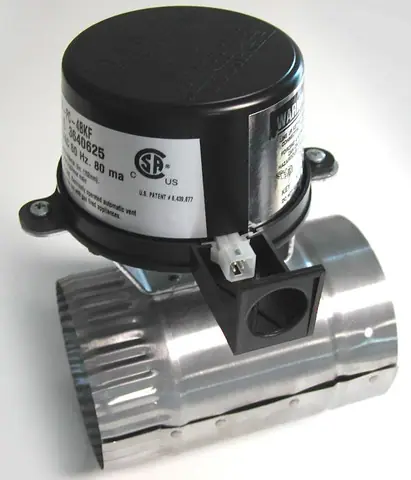
The automatic gas vent damper could fail, and if the blocked vent switch does not activate, the vent could leak carbon monoxide (CO). This poses a risk of CO poisoning to consumers.
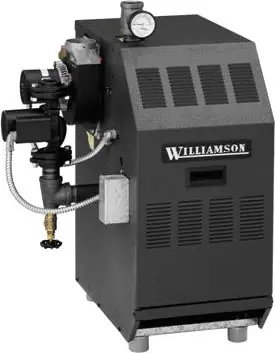
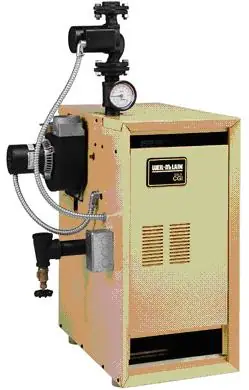
If there is a leak in the vent piping, the recalled boilers can leak carbon monoxide (CO) into the buildings in which they are installed, posing a risk of CO poisoning.
If there is a leak in the vent piping, the recalled boilers can leak carbon monoxide (CO) into the buildings in which they are installed, posing a risk of CO poisoning.