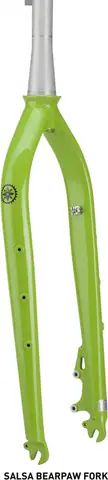
Salsa Bearpaw Bicycle Forks
Salsa Cycles, a wholly-owned brand of Quality Bicycle Products
The bicycle fork can bend or break, posing a fall hazard to the rider.
- Fall
- About 2,500 units
- No incidents reported
- Replacement or Refund
CPSC recalls involving bicycles, e-bikes, helmets, exercise equipment, camping gear, water sports, and off-road recreational vehicles.
Salsa Cycles, a wholly-owned brand of Quality Bicycle Products
The bicycle fork can bend or break, posing a fall hazard to the rider.
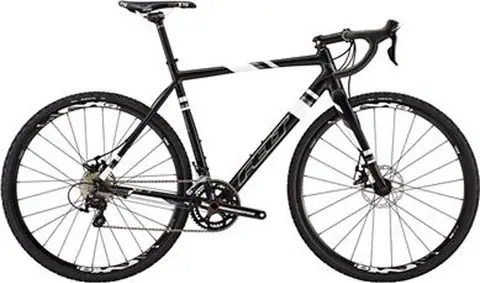
Felt Bicycles
The frame of the bicycle could break, causing the rider to lose control, fall and suffer injuries.
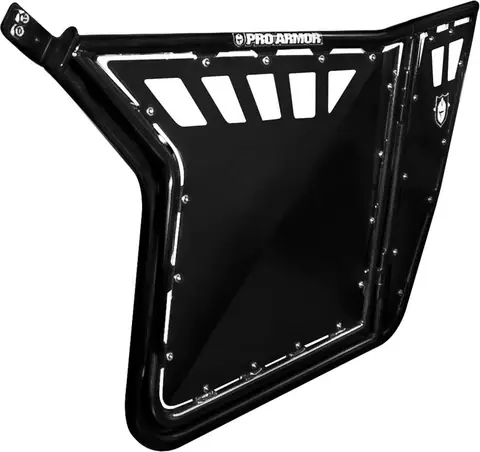
LSI Products Inc. dba Pro Armor, Riverside, Calif.
The latch pin can disengage from the latch and allow the door to open while the vehicle is moving, posing a risk of ejection of an unrestrained rider and impact or laceration hazards.
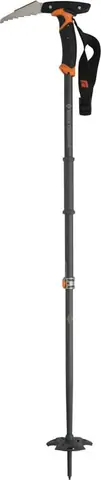
The stainless steel pick in the handgrip can break and fail to slow or stop users from sliding downhill on a snow or ice covered slope, posing a risk of injury.
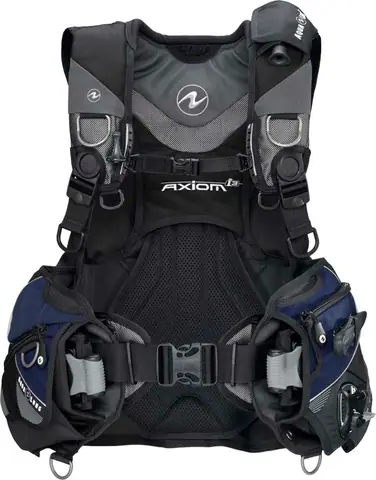
Aqua Lung America
The rubber handles can detach as divers are trying to remove the weight pockets to rise to the surface in an emergency. This poses a drowning hazard.
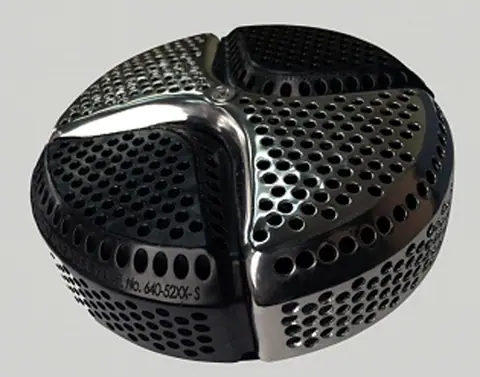
The drain suction cover can become disengaged from the spa wall, posing an entrapment hazard to consumers.
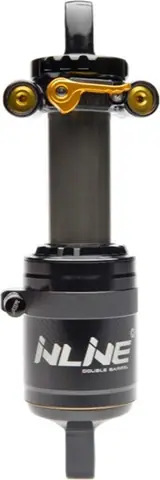
Cane Creek Cycling Components, Inc.; Fletcher, N.C.
The shock absorber is marked with graphics that incorrectly identify the adjustment directions for High Speed Rebound (HSR) damping. Following these directions will cause unexpected behavior by a bike's suspension and pose a fall hazard to a rider.
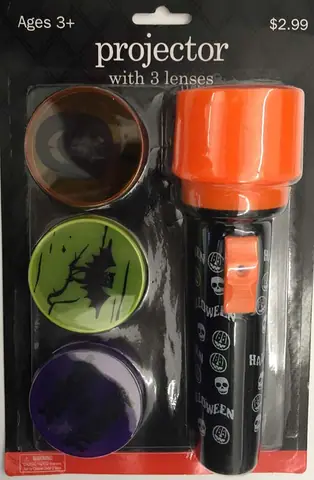
The flashlight can overheat and melt the plastic handle, posing a burn risk to the user.
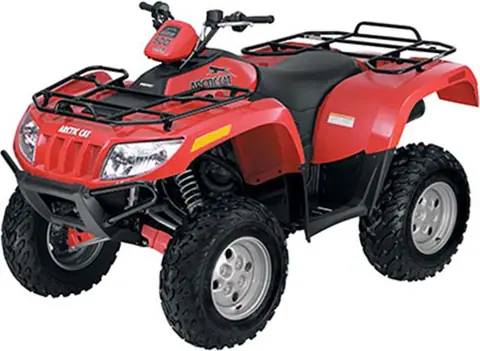
Components in the front gear case can fail, posing a risk of loss of control and crash hazard.
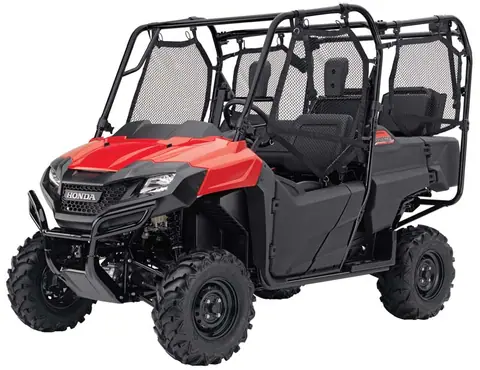
Vegetation and debris can accumulate on the middle skid plate and make contact with the vehicle's exhaust system. Dried debris can ignite, resulting in smoke or fire.
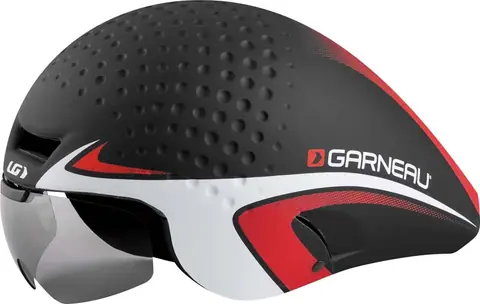
In cold temperatures, the helmet can fail to protect the wearer from impact injuries.
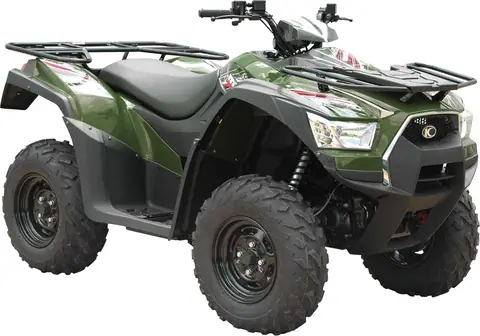
In hot environments or high elevations, the fuel cap can fail to vent properly, causing the fuel to heat up and pressure to build up in the tank. The pressure can cause the fuel tank to rupture or the fuel to boil out of the tank onto the operator or hot engine, resulting in burns to the operator or a fire.