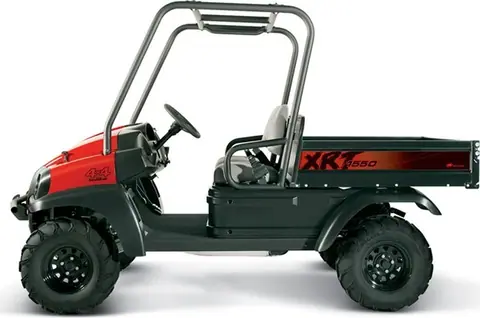
Club Car Golf cars and utility vehicles
The fuel tank filler neck can crack and allow fuel to leak, posing a fire hazard.
- Fire
- About 4,000 units
- 10 reports
- Replacement
Brand
16 official CPSC notices naming Club Car, 2002–2019, across sports & outdoors.
Totals add up the figures the notices state, counting a reannounced recall once; 15 of 16 notices add a unit count. A notice that gives no number adds nothing.
Every model number named in a Club Car recall, grouped by notice. Type the number from your product label.
1 model number
Club Car 2004 and 2005 · 05-528 · 2005
7 notices where the recalled products are off-road recreational vehicles.
The fuel tank filler neck can crack and allow fuel to leak, posing a fire hazard.
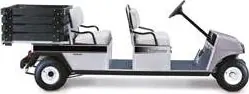
The brake pedal mounting blocks can crack and separate, resulting in a loss of braking ability, resulting in a crash.

The steering gear assembly can fail, resulting in an unexpected loss of steering control, posing a risk of injury to the driver and passenger.
The accelerator pedal can temporarily stick when depressed, resulting in unexpected acceleration or difficulty braking.
Microscopic cracks in the brake equalizer rods on certain vehicles may cause the rods to fatigue and fail prematurely in continuous use. Such failure could result in a loss of braking ability.
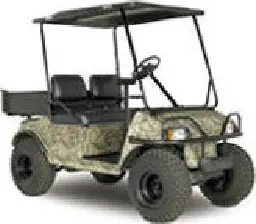
The steering connections on the front suspension rack can come loose, posing a risk of the operator losing control of the vehicle.
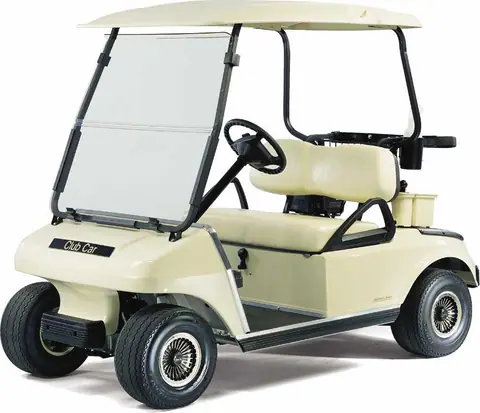
The fuel tank may leak, posing a potential fire hazard.
Club Car notices outside the product types above.
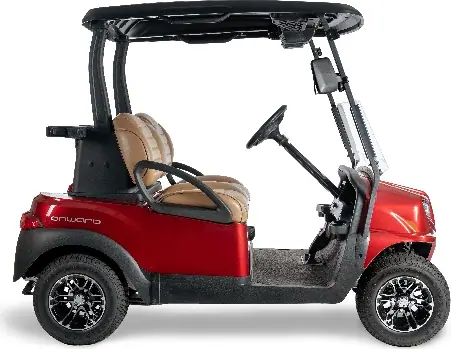
Fuel can leak from an improperly-routed fuel line, posing fire and burn hazards.
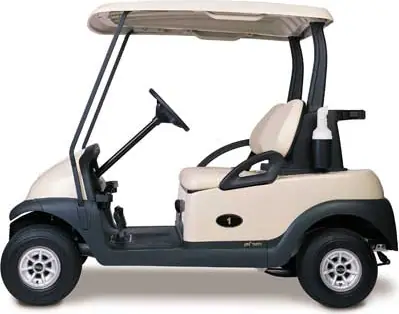
An improperly factory-installed hose clamp can rub and wear a hole in the fuel tank, causing a leak and posing a fire hazard.
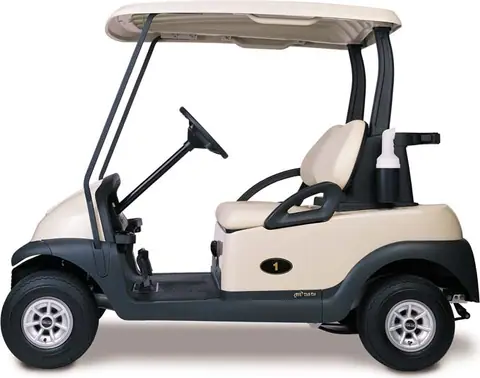
The hip restraint on the passenger side can fracture, posing a fall hazard.
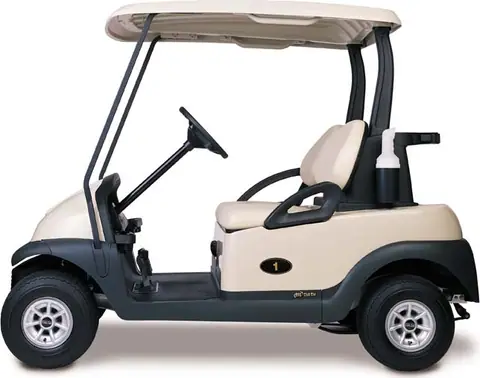
Improper assembly can cause the front wheel spindles to crack causing the wheel to become loose affecting the steering, posing a crash hazard.
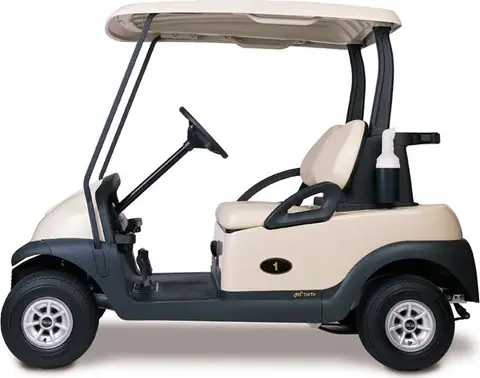
The fuel hose could separate from the fuel tank, posing a fire hazard.
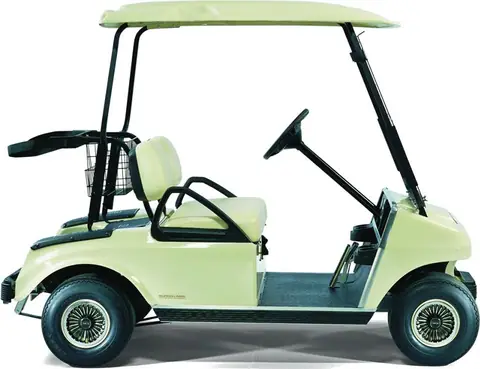
The fuel hose can separate from the fuel tank, posing a fire hazard.
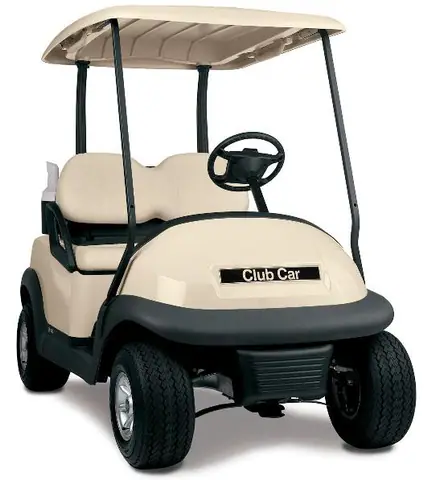
The fuel tank seam can separate and allow fuel to leak, posing a fire hazard.
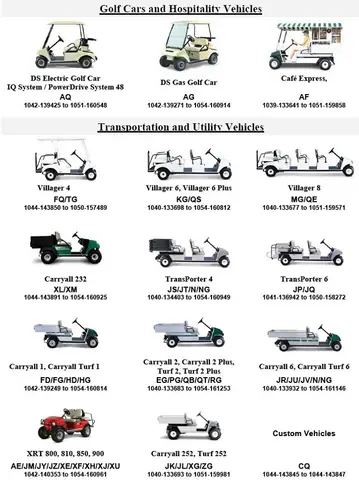
The brake pedal mounting blocks can crack and separate, resulting in a loss of braking ability. This can result in a crash.
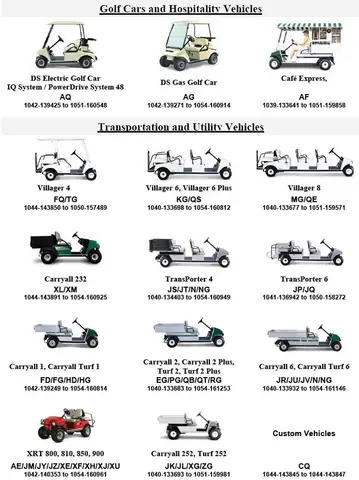
The brake pedal can crack and separate, resulting in a loss of braking ability. This can result in a crash.
The recall contact each official notice gives, newest first. Contacts can change after a notice is published; the notice itself is the final word.
As of October 1, 2026, CPSC has published 16 recall notices naming Club Car consumer products between 2002 and 2019, covering at least 136,521 units.
No. As of October 1, 2026, CPSC has published no recall notice naming Club Car consumer products in 2026. The most recent was announced August 19, 2019 (CPSC 19-770).
Off-road recreational vehicles (7) and 9 other notices.
“CPSC, Club Car Announce Recall of Golf Cars” (CPSC 05-585), announced July 5, 2005: about 71,700 units.
Find the model number on the product's rating label, then type it into the model-number lookup on this page. A match means the number appears in an official CPSC notice; open that notice to confirm any date codes or serial ranges it lists. No match is not proof that a product is safe.
Each notice names its own recall contact; the contacts for every Club Car notice are listed on this page. For the most recent one, Club Car Precedent (CPSC 19-770), call 888-227-7925 and go to www.clubcar.com.