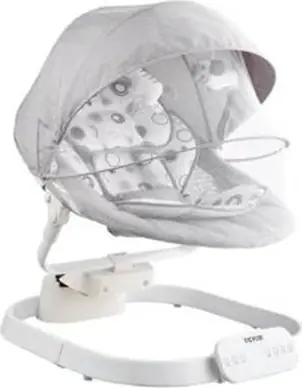
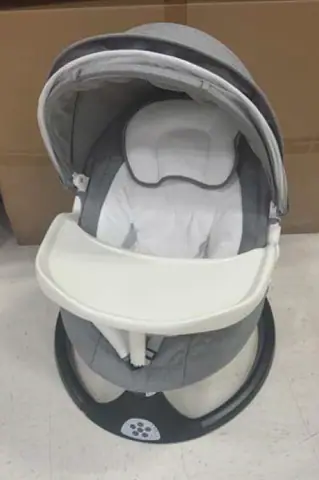
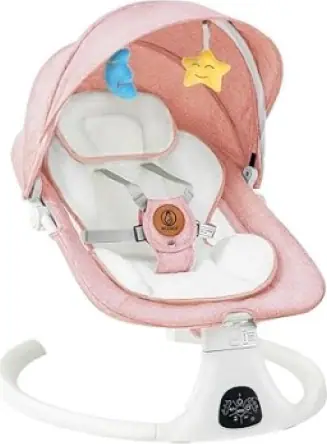
The swings were marketed for infant sleep and have an incline angle greater than 10 degrees, violating the mandatory safety standard for Infant Sleep Products and the ban on inclined sleepers under the Safe Sleep for Babies Act, posing a deadly suffocation risk.
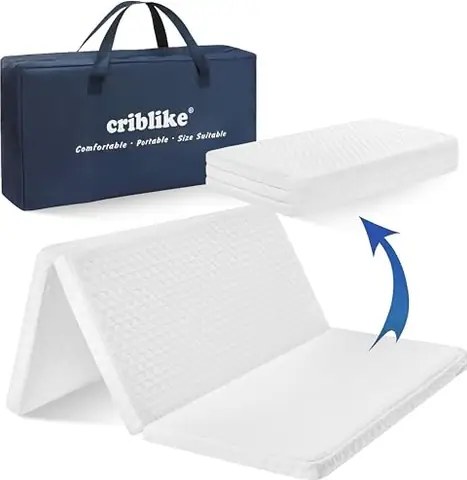
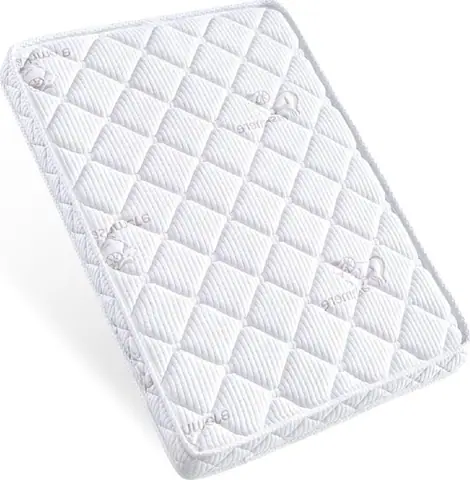
The aftermarket mattresses violate the mandatory standard for crib mattresses, as the mattresses may not adequately fit certain play yards or non-full-sized cribs, posing a deadly entrapment hazard. Babies can suffocate in gaps between an undersized mattress, or extra padding, and side walls of a product, especially when the infant's face becomes trapped against the side and the mattress, preventing the infant from breathing. The non-full-sized crib mattress also fails to meet the mandatory standard for mattress set flammability.
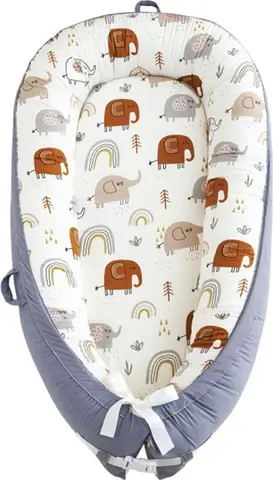
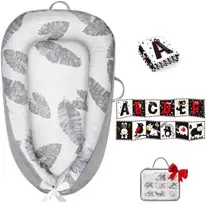
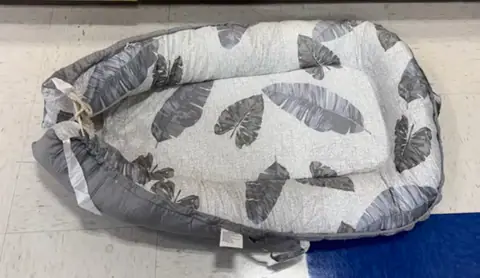
The baby loungers violate the mandatory standard for Infant Sleep Products because the sides are shorter than the minimum side height limit to secure the infant; the sleeping pad's thickness exceeds the maximum limit, posing a suffocation hazard; and the enclosed openings at the foot of the loungers are wider than allowed, posing fall and entrapment hazards to infants. The portable loungers do not have a stand, posing a fall hazard. These violations create an unsafe sleeping environment for infants, posing a risk of serious injury or death.
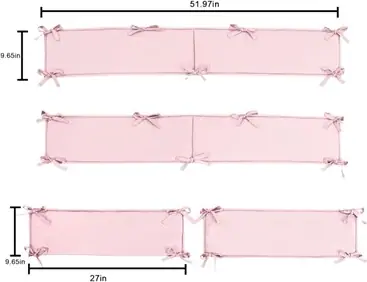
The recalled baby loungers violate the mandatory standard for Infant Sleep Products. The sides are too low to contain an infant. The sleeping pad is too thick, posing a suffocation hazard. The enclosed openings at the foot of the loungers are wider than allowed, posing a fall hazard and an entrapment hazard to infants. Also, the baby loungers do not have a stand, posing a fall hazard if it is used on elevated surfaces. These violations create an unsafe sleeping environment for infants and can cause death or serious injury to infants. In addition, the recalled baby loungers come with crib bumpers, which are banned by the Federal Safe Sleep for Babies Act because the padded crib bumpers can obstruct breathing, posing a risk of serious injury or death to infants from suffocation.
The baby loungers violate the mandatory standard for Infant Sleep Products because the sides are shorter than the minimum side height limit to secure the infant; the sleeping pad's thickness exceeds the maximum limit, posing a suffocation hazard; and an infant could fall out of an enclosed opening at the foot of the lounger or become entrapped. The portable loungers do not have a stand, posing a fall hazard. These violations create an unsafe sleeping environment for infants, posing a risk of serious injury or death.
The recalled padded cushioned crib bumpers violate the federal crib bumper ban because they can obstruct an infant's breathing, posing a suffocation hazard. This creates an unsafe sleeping environment for infants. Padded crib bumpers are banned by the Safe Sleep for Babies Act.
Fang Cheng Xian Hao Yun Shang Mao You Xian Gong Si, dba Haoyunm
The recalled crib bumpers violate the federal ban on crib bumpers because the padded crib bumpers can obstruct breathing, posing a risk of serious injury or death to infants from suffocation. Padded crib bumpers are banned by the Federal Safe Sleep for Babies Act.
The aftermarket play yard mattresses violate the mandatory standard for crib mattresses as the mattresses exceed thickness requirements and may not adequately fit certain play yards, posing a deadly entrapment hazard. Babies can suffocate in gaps between an undersized mattress, or extra padding, and side walls of a product, especially when the infant's face becomes trapped against the side and the mattress, preventing the infant from breathing.
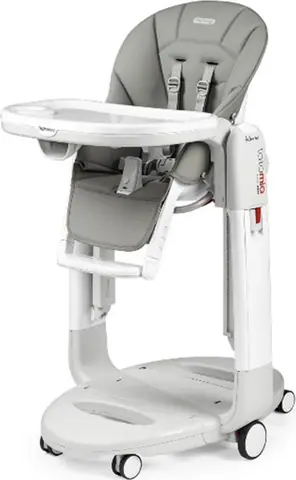
The 3-in-1 products pose a suffocation risk because they were marketed for infant sleep, and they have an incline angle greater than 10 degrees, in violation of the Infant Sleep Products Rule and Safe Sleep for Babies Act. In addition, the products fail to meet mandatory warning requirements under the high chair standard.
The recalled portable baby loungers violate the federal safety standards for Infant Sleep Products because the sides are shorter than the minimum side height limit to secure the infant; the sleeping pad's thickness exceeds the maximum limit, posing a suffocation hazard; and an infant could fall out of an enclosed opening at the foot of the lounger or become entrapped. The portable loungers do not have a stand, posing a fall hazard. These violations create an unsafe sleeping environment for infants, posing a risk of serious injury or death.
The swings pose a deadly suffocation risk because they were marketed for infant sleep and they have an incline angle greater than 10 degrees, in violation of the CPSC's Infant Sleep Products Standard and Safe Sleep for Babies Act. The swings also fail to meet mandatory warning requirements under the swing standard. In addition, the remote control for the swing contains a lithium coin battery and the products are missing the required warnings and instructions for consumer products containing button cell and coin batteries under Reese's Law. When button cell or coin batteries are swallowed, the ingested batteries can cause serious injuries, internal chemical burns and death.
The swings pose a suffocation hazard and a risk of serious injury or death to babies, because they were marketed for infant sleep and have an incline angle greater than 10 degrees, in violation of the Safe Sleep for Babies Act. The swings also fail to meet the mandatory warning requirements under the swing regulations. In addition, the remote control included with the swings contains a lithium coin battery and is missing the required warnings and instructions for consumer products containing button cell and coin batteries under Reese's Law.