
Chewbeads Pacifier clips
The "D" ring on the pacifier clip can break, allowing beads to detach, posing a choking hazard.
- Choking
- About 45,000 units
- 7 reports
- Replacement or Refund
CPSC recalls involving strollers, baby carriers, pacifiers, cribs, infant sleep products, toys, play sets, and playground equipment.
The "D" ring on the pacifier clip can break, allowing beads to detach, posing a choking hazard.
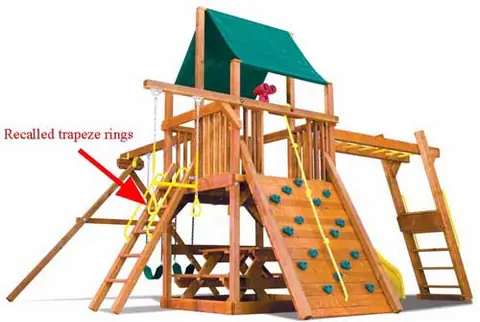
The rings can unexpectedly crack or break during use, posing a fall hazard to children.
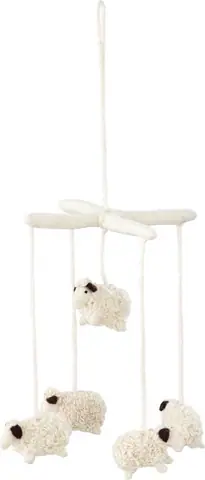
The yarn from the sheep figures can unravel, posing an entanglement and strangulation hazard to young children.

The plastic worm at the end of the fishing pole line can separate, producing small parts that pose a choking hazard to children. Additionally, the small magnet inside the worm can liberate. Swallowing multiple magnets can result in serious internal injury.
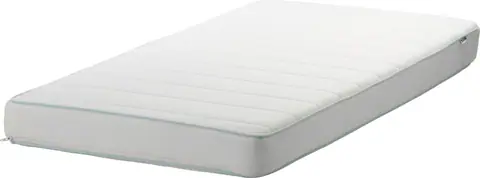
The crib mattresses fail to meet the federal open flame standard for mattresses, posing a fire hazard.
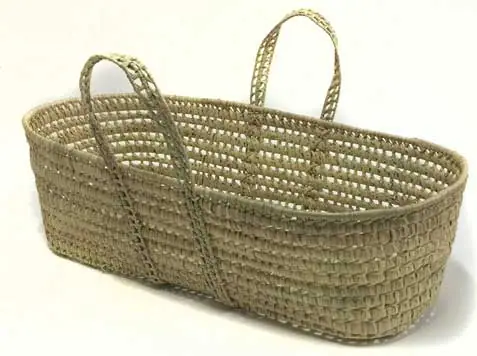
Sleeping Partners International
The Moses basket fails to meet the federal hand-held infant carrier standard and the stand fails to meet the bassinet/cradle standard. The basket can slide off an inclined surface and the stand can tip, posing a fall hazard for infants.

Manhattan Group
The wooden ring can break into small pieces, posing a choking hazard to young children.
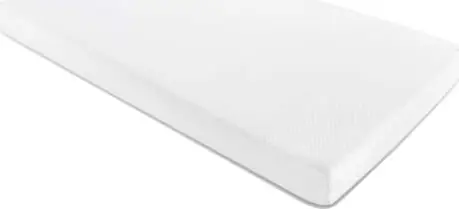
Stork Craft Manufacturing
The crib mattresses fail to meet the mandatory federal mattress flammability standard for open flames, posing a fire hazard.
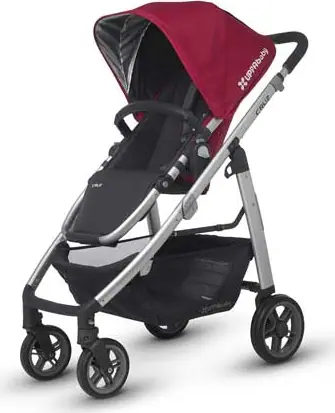
The strollers' and RumbleSeats' bumper bar poses a choking hazard when a child bites the bumper bar and removes a piece of the foam covering.
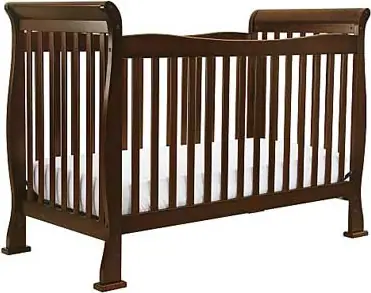
Bexco Enterprises
A metal bracket that connects the mattress support to the crib can break, creating an uneven sleeping surface or a gap. If this occurs, a baby can become entrapped in the crib, fall or suffer lacerations from the broken metal bracket.

The seam on the flotation device can leak air and deflate, posing a risk of drowning.
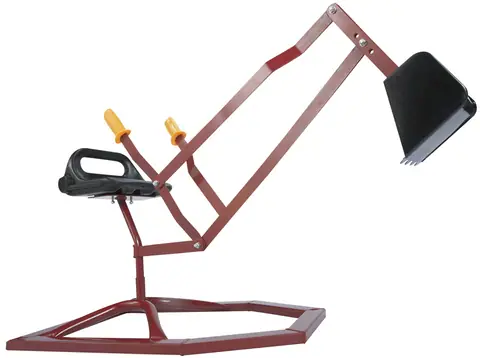
The red paint on the Little Digger toy frame contains excessive levels of lead, which is prohibited under federal law.