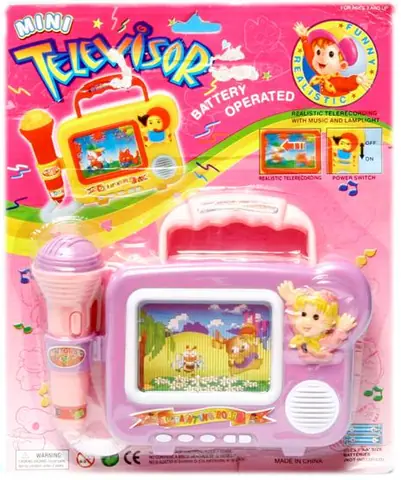
Mini-Televisor Toys
OKK Trading
Surface coating on the toy television could contain excessive levels of lead, violating the federal lead paint standard.
- About 2,100 units
- No incidents reported
Product type
Recalls involving televisions.
5 official CPSC notices published 1973–2008, matched on the notice's product identity — not on description text.
Totals add up the figures the notices state, counting a reannounced recall once; 4 of 5 notices add a unit count. A notice that gives no number adds nothing.
OKK Trading
Surface coating on the toy television could contain excessive levels of lead, violating the federal lead paint standard.
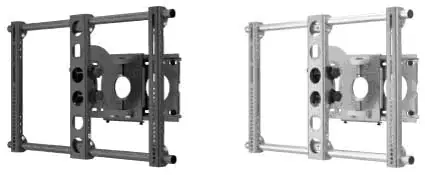
An undersized shaft within the wall mounting unit can cause the product's main support component to loosen. As a result, the unit and the television it is supporting can fall from the wall, posing a risk of injury to consumers.
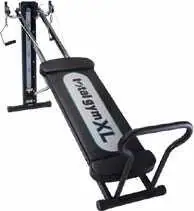
Total Gym Fitness
A lever pin that supports the elevated railing of the glideboard could fail, causing the user to fall.
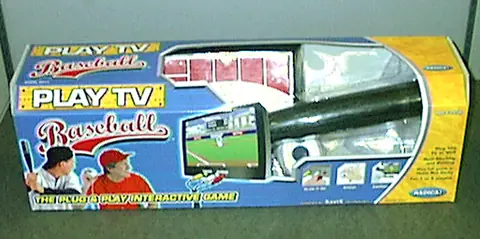
The bats can separate during a swing. Broken pieces can hit a bystander and cause injury.
As of October 1, 2026, CPSC has published 5 recall notices for televisions since 1973, covering at least 159,200 units. The most recent is “OKK Trading Recalls Toy TVs Due to Violation of Lead Paint Standard” (CPSC 09-038), announced November 4, 2008.
No. As of October 1, 2026, CPSC has published no recall notice for televisions in 2026. The most recent was announced November 4, 2008 (CPSC 09-038).
“CPSC, Radica USA Ltd. Recall Baseball Video Games to Replace Bats” (CPSC 01-104), announced March 13, 2001: about 140,000 units.
Brands named most often: A.K. Electric, OKK Trading, Radica, Sanus Systems and Total Gym Fitness. Brand-name products are often made by another firm, so one recall can span several brands.
Find the model number on the product's rating label, then type it into the model-number lookup on this page. A match means the number appears in an official CPSC notice; open that notice to confirm any date codes or serial ranges it lists. No match is not proof that a product is safe.